HANDLING COLD IN CHILDREN!!!

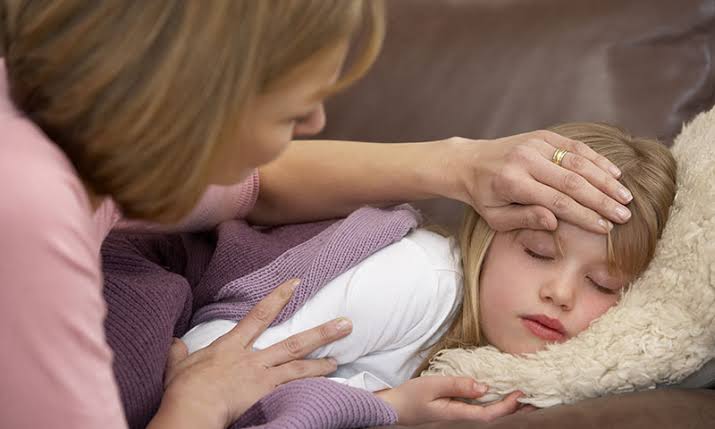
How do parents deal with cold in children?

What are the symptoms?
The symptoms include, blocked or running nose, popularly called catarrh, cough, sneezing and sore throat. There may also be low-grade fever, as well as headaches, feeling of fullness of the head and muscle aches, especially in older children

What can parents do to help ease cold?
Most colds will resolve spontaneously on their own. However, the symptoms can be eased by giving children lot of fluids and keeping them warm. Simple over-the counter medications, such as paracetamol can be given to ease the discomfort, as well.

Will antibiotic help a child’s cold?
No! Antibiotics should never be taken for colds because as stated earlier, most are caused by viruses and do not require any antibiotics. That will be antibiotics abuse.

When should a parent take a child to the doctor?
If a child’s colds, especially if associated with a cough, is not resolving or getting better or perhaps getting worse with other symptoms, such as fast or difficulty with breathing, that child should be seen by a doctor to examine the possibility of pneumonia. Cough syrup also tends to depress respiration in children (most make the children drowsy) and others have serious side effects.

So, the parents should take the child to the hospital, if the child is not getting better after two weeks, fever is high (39C and above), the child is breathing too fast or the child has any form of difficulty with breathing.

What is the best treatment for the cold?
There is no specific definitive or curative treatment for most colds. They resolve on their own after running their course. However, symptomatic relief treatment includes rest, drinking of a lot of fluids, keeping warm and use of paracetamol for fever.

What measures should parents take to avoid spreading of cold to other family members?
Measures that can help, include keeping sick children at home away from school or play groups; regular hand-washing with soap and water, sneezing into a handkerchief and all other hygiene measures, such as immediate disposal of used tissues can help reduce, but not totally eliminate transmission to other family members, who should avoid sharing of towels and other household items with those who have cold.


NAPPY RASHES – PREVENTION AND TREATMENT

Next to “My baby is not eating” and “Teething”, I think nappy rashes issue is the next in the priority list of  those things mothers worry about a lot and often like to ask the paediatricians. So it is apt to address such an important topic which is what we will do in this post.

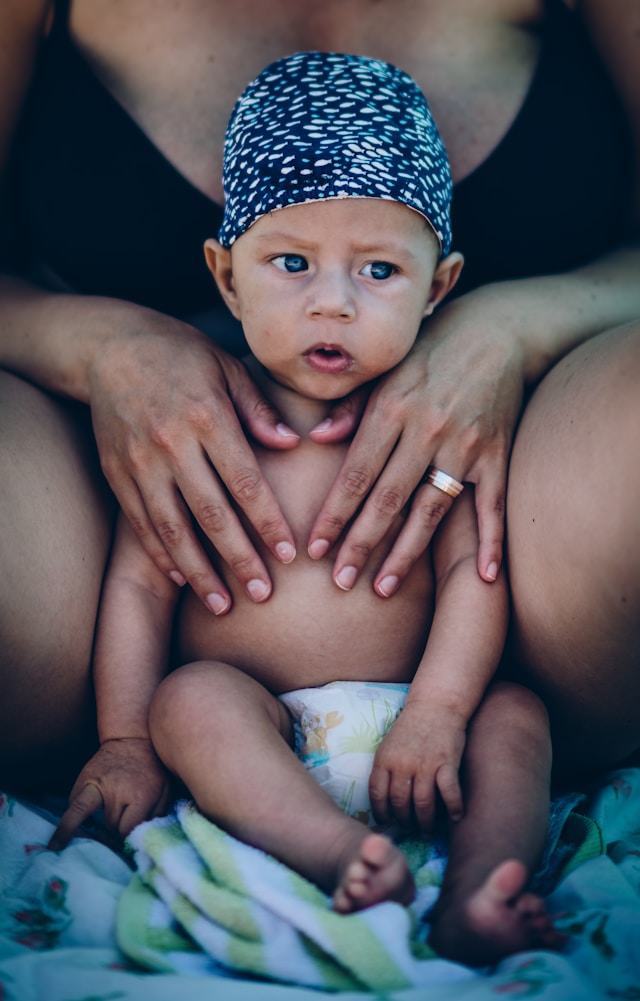
Nappy rashes as the name implies are rashes in babies that are limited to the part of their bodies covered by the diaper.

There are 2 different types of nappy rashes in broad categories
  1. Rashes that occur as a result of skin irritation from the prolonged contact of urine and stools in diaper with the skin of the baby. This is the most common type of nappy rashes
  2. Rashes that occur as a result of allergic reaction to the diaper material itself; and
  3. Rashes that tend to occur in the nappy areas but has nothing to do with the diaper or its contents

Most times it takes a Paediatrician or Dermatologist to differentiate between the different types.

HOW TO HANDLE NAPPY RASHES?

As a mother if you observe that your baby has rashes in the diaper area, first assume it is a diaper rash from prolonged contact of skin with urine or stools.

1) Change diaper frequently when wet, not only when there is a poo

2) Apply diaper  treatment cream –  sudocream and zinc oxide cream are good choices

3) Allow the diaper area to be exposed to air at times when you are home. Don’t always cover the perineum with diaper.

Let there be period of allowing the perineum to be in contact with fresh air!!

If you do this, most diaper rash will disappear within a few days or at most 2 weeks.

Rashes that persist and especially if  reddish or discoloured or extending beyond the diaper area will require the attention of a Paediatrician or Dermatologist.

So see a doctor if  you are not seeing any improvement after a week or two of using the commonly available diaper treatment cream. It may be one of the other types of diaper rashes that require specialist intervention.

The good news : Nappy rashes are largely preventable!

Here are some tips to help prevent nappy rashes

  • Change diaper frequently when wet, not only when soiled with stools!Yes I know diapers are expensive but treating horrible nappy rashes are more expensive and inconvenient for the babies.
  • Apply diaper cream regularly with each diaper change.ACCEPTABLE PRODUCTS include Petroleum Jelly (preferably un-perfumed), Sudocream, Shea Butter aka Ori, Zinc oxide cream etc
  • PLEASE DO NOT APPLY POWDER to the Diaper area!!!I know this is a very common traditional practice which is not only highly UNNECESSARY but inadvertently causing the same thing the mothers are trying to prevent! Really? I know it sounds contradictory but it is true.I will tell you why – just stay with  me a moment!
  • Whatever product used for the Diaper area must create a barrier between the baby’s skin and urine or stools.

With powder, there is no barrier. The urine or stools actually mix with the powder to form a paste which act as an irritant to the skin and especially if diapers are also not changed immediately once wet or soiled. The prolonged contact of the irritating paste on the skin is responsible for most of the nappy rashes.

So AVOID POWDER USE in the Diaper area, use barrier creams or jelly and change diapers very frequently.

Of course even with all these recommendations being followed to the letter, some babies may still have rashes in the Diaper area.

Yes, not all rashes in that area are due to nappy rashes, some can be from allergic reactions or other infections.

So if you are taking precautions discussed above and your baby still have rashes in the Diaper area; it is time to see the Paediatrician or Dermatologist for further evaluation and treatment.

PLEASE DO NOT USE MEDICATION AS CREAMS WITHOUT THE DOCTOR’S PRESCRIPTION!!

Using any creams you like which may make the rashes worse.

In conclusion, applying these preventive measures will spare your babies of the inconvenient menace nappy rashes can be.

I look forward to reading your questions and comments.