WHAT YOU NEED TO KNOW ABOUT MALNUTRITION!

Malnutrition is  a global issue but more common and devastating in developing nations where it is underlying and contributory to more than 50% of deaths of in children below the age of 5 years. It affects growth, development, immunity and learning abilities of children.

Dr Nwaoma Nwaogu, Consultant Paediatrician discussed this topic in one of our ATP group discussions recently which has now been summarized into this article.

Malnutrition, simply put, is lack of proper nutrition.

WHO refers to it as deficiencies, excesses or imbalances in a person’s intake of energy and or nutrients. There are different forms of malnutrition

  • Macronutrient deficiencies e.g. protein, carbohydrates,
  • Micronutrients e.g. vitamins, zinc iron deficiencies
  • Overweight and obesity is a form of malnutrition.

What are the common causes of malnutrition?

These can be grouped into three main categories:

  • inadequate intake
  • increased loss
  • factors external to the child.

Inadequate intake:

  • Food unavailability
  • Inadequate quantities
  • Food taboos
  • Ill health from any reason can contribute to inadequate intake of food.

Increased loss

  • Chronic or recurrent diarrhoea.
  • Problems with digestion and absorption of food already eaten can lead to loss of nutrients too.
  • Infections e.g. TB, Measles
  • Infestation e.g. hookworm infestations
  • Chronic conditions that affect appetite and metabolic processes in a child. e.g. sickle cell anaemia, congenital heart disease etc

Social contributors

  • Poor sanitation/hygiene and dirty environment which call provide the conducive atmosphere for infection to thrive
  • Uneducated mother
  • Teenage mother
  • Ignorant mother
  • Absentee mother e.g. a mother with mental ill health

Symptoms and signs of Malnutrition

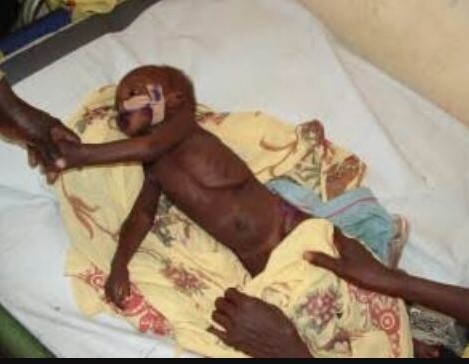
The tell-tale signs of severe malnutrition include :

  • Head: thin hair, discoloured hair, sparse and brittle hair, prominent bones
  • Face: prominent bones, pale conjunctiva, oral lesions/ mouth sores
  • Skin: hanging skin, rashes/lesions, wounds that won’t heal
  • Limbs: thin bones and sometimes, swollen limbs; what we call oedema.

However children may have mild form of malnutrition with other subtle signs:

  1. Weight and height that are low for age of the child.
  2. Skin signs
  3. Bow legs
  4. Clothing becoming loose
  5. Child always tired/fatigued
  6. Hair  and nail changes

Management of a child with malnutrition should be at the hospital by a Paediatrician and Nutritionist (Dietitian)

Prevention of Malnutrition

  1. Exclusive breastfeeding for the first 6 months of life and adequate complementary diet beyond 6 months. This entails giving the right balance of nutrients in the right quantity, right texture/consistency, right frequency and right density/volume. You should read the article INFANT FEEDING IN THE FIRST 1000 DAYS for more information on this.
  2. Immunizations – this fight all diseases that are vaccine preventable.
  3. Personal and environmental hygiene. Hand washing and proper handling of sewage and other household waste including proper waste disposal. You should wash your hands with every diaper change; before making the child’s food and afterwards.
  4. Health Education: this article is based on parents health discussion handled by our Paediatrician on Ask The Paediatricians Facebook group. It is important to learn more about child health issues on such platforms and websites like this. You should also spread the right information. What are the available local food options? What fruits are in season, do you know how to prepare ORS and administer to a child with watery stools? All these we must learn and teach others.
  5. Family planning: You should space your children and have the number of children you can cater for properly.
  6. Clean water: It is important to make sure the child drinking water is boiled or sterilised using appropriate agents e.g. water guard
  7. Proper antenatal care: A malnourished mother will produce a malnourished low birth weight infants

If you are concerned about malnutrition in your child, please see a Paediatrician immediately. If you have any questions, you can ask in the comments. For urgent questions, this can be asked in our Facebook community group from Mondays to Saturdays. Remember to follow us on all our social media handles and join us every Monday at 6pm for the Ask The Paediatricians LIVE. Past episodes can be watched on our YouTube channel.

HANDLING COLD IN CHILDREN!!!

How do parents deal with cold in children?

What are the symptoms?
The symptoms include, blocked or running nose, popularly called catarrh, cough, sneezing and sore throat. There may also be low-grade fever, as well as headaches, feeling of fullness of the head and muscle aches, especially in older children

What can parents do to help ease cold?
Most colds will resolve spontaneously on their own. However, the symptoms can be eased by giving children lot of fluids and keeping them warm. Simple over-the counter medications, such as paracetamol can be given to ease the discomfort, as well.

Will antibiotic help a child’s cold?
No! Antibiotics should never be taken for colds because as stated earlier, most are caused by viruses and do not require any antibiotics. That will be antibiotics abuse.

When should a parent take a child to the doctor?
If a child’s colds, especially if associated with a cough, is not resolving or getting better or perhaps getting worse with other symptoms, such as fast or difficulty with breathing, that child should be seen by a doctor to examine the possibility of pneumonia. Cough syrup also tends to depress respiration in children (most make the children drowsy) and others have serious side effects.

So, the parents should take the child to the hospital, if the child is not getting better after two weeks, fever is high (39C and above), the child is breathing too fast or the child has any form of difficulty with breathing.

What is the best treatment for the cold?
There is no specific definitive or curative treatment for most colds. They resolve on their own after running their course. However, symptomatic relief treatment includes rest, drinking of a lot of fluids, keeping warm and use of paracetamol for fever.

What measures should parents take to avoid spreading of cold to other family members?
Measures that can help, include keeping sick children at home away from school or play groups; regular hand-washing with soap and water, sneezing into a handkerchief and all other hygiene measures, such as immediate disposal of used tissues can help reduce, but not totally eliminate transmission to other family members, who should avoid sharing of towels and other household items with those who have cold.


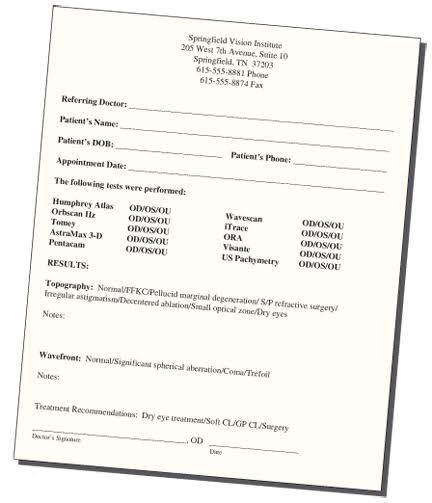
REFERRAL LETTERS TO THE SPECIALISTS: What you need to know

Hello everyone! I hope you are enjoying the new year already and have been increasing your child health knowledge and intelligence. If not, kindly head over to ATP Facebook Groups and begin to read up.

Today I want to address this issue of referral letters. I do a get a lot of inbox messages asking me for referral letters to see specialists in the Teaching Hospitals. I know that I do advise a lot for parents and carers of children to take some cases to the Specialists so it is therefore not surprising when I get such requests.

 I realized that many perhaps do not know how to go about the process of getting such referral letters and think you “must know someone” to get a referral letter or be seen in a Teaching Hospital! That’s not true! In fact it is so easy to get a referral letter to see a specialist or consultant at their clinics in a Teaching Hospital.

First of all for those who have not read my memo about the Nigerian Health System – the three cadre of health services, you need to do so first to really understand the background for today’s memo.

Let me just give a little recap by saying that the Teaching Hospitals or Federal Medical Centres are the Tertiary level of health care in Nigeria. They are the apex of care and most advanced and sophisticated services. Most of the superspecialists are in the Teaching hospitals.

However, you don’t just walk into Teaching Hospitals ideally for care. They are often designated to see only 2 categories of patients :

1. Emergency Cases

2. Referred Cases from other doctors and health care professionals from the lower hospitals.

It important to note that emergency cases are taken straight to the Accident and Emergency Centres/Rooms – could be for adults and children separately. Emergency cases DO NOT NEED A REFERRAL LETTER to be seen at the Emergency Rooms. Emergency means life threatening conditions that require IMMEDIATE attention or life would be lost. URGENT cases can also be seen in the A/E. Urgent cases need attention at least within 24 hours to avoid becoming an emergency! Please don’t go to Emergency Room for minor cases. In Emergency Rooms, you are not attended to according to First Come, First Serve!! Not at all! What is done is called TRIAGE and the MOST SEVERE CASES would be attended first to avoid loss of life! So don’t fight the A/E staff if they keep you waiting for hours. Most likely you should not have been there in the first place!

The rest of patients seen at Teaching Hospitals who are not Emergency Cases MUST BE REFERRED! That is why you need a REFERRAL LETTER to a specific consultant or clinic. So how do you get a referral letter?

1. GENERAL PRACTITIONER/FAMILY DOCTOR

The doctor who has been seeing the child should be the one writing a referral letter. It should be a free service so you don’t have to pay for the letter as long as you have been known to the doctor or registered under the practice. Most times, he should be the one initiating the referral. However if another Profesional suggested the referral, your regular family doctor or GP can still write the referral letter for you.

2. PRIMARY/SECONDARY HOSPITALS

You can also get a referral letter from the General Hospitals and sometimes from comprehensive primary health centres that have doctors. You can always walk in to these hospitals and request a referral letter if suggested by another professional. They will of course verify if there is justification for the referral in the first place.

3. GENERAL OUTPATIENT CLINICS at the Teaching Hospitals

Due to Nigerian peculiar situation, most of the Teaching Hospitals also operate a General Outpatient Clinic where you can WALK IN without a referral to be seen by the Family Physicians. If you have such in your Teaching Hospital, then you can also get a Referral letter from the doctors working at the General Outpatient Department or Clinics to the Specialists Clinics. Kindly note that only the General Outpatient can be accessed without a referral letter in a Teaching Hospital setting. However they can assist you with referral letter to the specialists if not too busy. It is actually easier to get it from your private doctors or at the General hospitals.

Occasionally for some that wander into the Children’s Emergency room and deemed not to have emergency cases, if not so busy, the casualty staff may also redirect you to the appropriate clinics and write a referral letter. However, do not go to the Children’s Emergency room or A/E just to get a referral letter. They are usually too busy and can keep you for a whole day if it is quite hectic. You are better off going to get it at General Outpatient or General Hospitals.

Finally, ideally only a doctor who has seen a child should do the referral letter. So asking me to do a referral letter to a child I have not seen is inappropriate. This is because ideally referral should be a two-way cycle with the specialists writing back to inform the referring doctor what they found or advised!

So now you know what to do when you need a referral letter. You don’t have to panic. It is the responsibility of every doctor to know when to refer a child and to issue appropriate referral letter to the right specialists and clinics.

Thank you for reading. Keep being informed and child-health intelligent!

#DrGbemiATP #Askthepaediatricians #Paediatriciansmemoirs

UNDERSTANDING THE MEDICAL PROCESSES

Many parents do not understand that there are medical processes followed by medical professionals in making diagnosis. As a Paediatrician who often provides free medical advice online especially on our Ask The Paediatricians Facebook Group we often receive complaints from parents and members when we asked to go to the hospital or see a doctor after they have asked us questions about their child’s health. They wonder why we can  not provide diagnosis simply by what they have told us and also tell them the treatment right away. After all, they already have access to the doctors on the group!

Well, this is what I will be addressing in this article.  Parents and caregivers need to understand these medical processes we undertake. I will be explaining a few of these processes to understand why it is important to see a medical professional irrespective of whatever medical information you have online.

First, you need to know that no doctor can give you a diagnosis based on just one symptom or even a group of symptoms only.

For example let us look at a child with abdominal pain. What is the diagnosis? For the complaint of abdominal pain alone, just telling us where the pain is located is not enough to make a diagnosis!

There are so many other questions to ask. There are more than 10 questions about the pain alone before asking asking so many other questions not even about abdominal pain. I am sure some of you have wondered what the age of your husband, whether he smoke or is hypertensive and how many other children you have to do with this abdominal pain! I mean what has your religion or recent travel got to do with abdominal pain? A lot and you just don’t know it yet.

This is what we call HISTORY TAKING and it is even just step one of the medical process in making a diagnosis.

After some minutes of taking adequate history; maybe as short as in 5 minutes or long as in 30 – 60 minutes depending on what we are dealing with, then the second step is PHYSICAL EXAMINATION where the doctor actually examines the body; the area you are complaining about and those that you have not complained about as well. Your eyes will be checked even if you only complained of abdominal pain!

After these two processes, the doctor can sometimes know your diagnosis. At other times, he is not sure and may be suspecting 2, 3 or 6 possible diagnoses! We call them DIFFERENTIAL DIAGNOSES. S/he will then need to investigate that is what you often call LABORATORY TESTS or XRAYS/SCANS to really confirm which of the possible diagnoses is the correct one. Usually, we start with simple investigations and if those are not sufficient to still help to confirm the diagnosis, we go ahead to do more complex and usually more expensive ones.

It is AFTER completion of most if not all the above medical processes that TREATMENTS can be recommended. This process is even not what we do in EMERGENCY!! The medical processes will be rearranged with focus on keeping the person alive first before addressing diagnosis and treatment.

So you now see and hope you can appreciate why it is not appropriate to expect us to give you diagnosis based on two sentences of symptoms you wrote and expect us to recommend treatment as well.

It is also obvious that the ABOVE MEDICAL PROCESSES can not be done online. Even if we attempt to ask you all the questions (HISTORY TAKING) online (which will require a lot of back and forth and which is not even suitable on a public platform as DOCTOR-PATIENT CONFIDENTIALITY will not allow such, it is obviously obvious that we CAN NOT DO PHYSICAL EXAMINATION on Facebook!!!

This is the reason we always TELL YOU TO SEE A DOCTOR when your question is about an illness! We are not being hard or difficult. We are doing the right thing and following DUE PROCESS! That is being ETHICAL! Our professionals are not like many experienced mothers and self-proclaimed “doctors” who often make diagnosis based on one symptom hearsay and go on to recommend treatment not remembering that there are many conditions that can present with same symptoms!

This also by implication extends to treatment and why it is difficult to “copy and paste” treatment from one child to another child because they have same or similar symptoms. The diagnoses may be poles apart.

Going back to the case study of abdominal pain again. Abdominal pain in one child may be due to something simple as constiaption that taking fruits, water and vegetables alone will be sufficient. In another child, abdominal pain may be due to intussusception that requires the child to have surgery immediately.

It is EXTREMELY DANGEROUS to copy treatment without seeing a doctor.

Please also BEWARE of going to Google Medical School for diagnosis and treatment. You better read the disclaimer there first. Medical information provided online and even on platform like Ask The Paediatricians does not replace consultation with your doctor!

This is one reason we also do not like to comment on treatment recommendations by your own doctors who supposedly have carried out all these medical processes first before giving you treatment. Please read ATP disclaimer as well as we are not liable for any outcome based on advice given here.

I hope this helps! So please don’t get upset when we say “See a doctor or Paediatrician” or “Go to the hospital”. In most instances, it is the best advice for you at the time and may be live-saving! It is many times in your best interest.

Childhood Asthma (1) – Symptoms and Trigger factors

Some parents do not believe that children even toddlers can have asthma! However this is true! It is important therefore for parents to know and understand childhood asthma.

Additionally unlike most other child health issues where we as paediatricians frown on self-medication by parents, in asthma we actually encourage that! Shocked? It is true and indeed a common saying is that parents actually manage asthma in children, doctors only support!

This article and the second part will explain all you need to know about childhood asthma.

What is asthma?

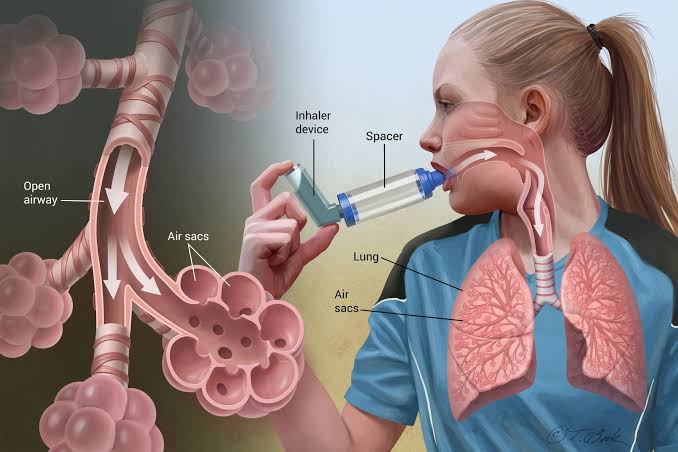
Asthma is a chronic condition characterized by reversible obstruction of the airways. This is because the airway of an individual with asthma is programmed to react this way when exposed to some substances or conditions. These substances / conditions are what we call triggers.

In childhood asthma, the lungs and airways become easily inflamed when exposed to certain triggers such as inhaling airborne pollen or catching a cold or other respiratory infection.

Childhood asthma can cause bothersome daily symptoms that interfere with play, sports, school and sleep. In some children, poorly managed asthma can cause dangerous asthma attacks.

Childhood asthma is not a different disease from asthma in adults. However, children tend to face unique challenges. Asthma in children is a leading cause of emergency department visits, hospitalizations and missed school days.

Among children and adolescents aged 5-17 years, asthma accounts for a loss of 10 million school days annually and costs caretakers $726.1 million per year because of work absence. So the burden of asthma extends beyond the child to the caregivers and affects productivity.

COMMON CHILDHOOD ASTHMA SIGNS AND SYMPTOMS INCLUDE:

WHEEZING : Wheezing is a musical, high-pitched whistling sound produced by obstruction to airflow. It is one of the most common symptoms of asthma. The wheezing is usually during exhalation (expiration or breathing out).

COUGH: Usually, the cough is nonproductive and non paroxysmal; coughing may be present with wheezing.

COUGH AT NIGHT OR WITH EXERCISE :Cough at night or with exercise may be the only symptom of asthma especially in cases of exercise-induced or nocturnal asthma. Children with nocturnal asthma tend to cough after midnight or during the early hours of morning

SHOTNESS OF BREATH OR TIGHT CHEST: A history of tightness or pain in the chest may be present with or without other symptoms of asthma, especially in exercise-induced or nocturnal asthma

What causes asthma?

ENVIRONMENTAL AND GENETIC FACTORS
Asthma tends to run in families. It has a genetic component. History of asthma in the maternal family is associated with a higher risk of asthma. Asthma is also commoner in males

Environmental and genetic factors have been associated with the development of asthma. Interactions between environmental and genetic factors result in airway inflammation, which limits airflow and leads to changes in the function and structure of the airways.

TRIGGERS
In most cases of asthma in children, multiple triggers or precipitants are recognized, and the patterns of reactivity may change with age. Triggers include:

1. Viral infections such as common cold
2. Exposure to air pollutants
3. Allergies to dust mites
4. Pet dander
5. Pollen or mold
6. Physical activity
7. Changes in weather or cold air
8. Previous allergic reactions including skin reactions
9. Food allergy or hay fever (allergic rhinitis)
10. Hives or eczema
11. Living in an urban area with increased exposure to air pollution
12. Obesity
13. Emotions

Any child with the symptoms listed above needs to be evaluated by a Paediatrician. At the least do see a general practitioner.

In the second and concluding part of this article, we will look at what to do when a child has an asthma attacks and how to prevent asthma attacks.

INFECTIONS IN THE NEWBORNS (Part 1)

The birth of a newborn baby is always a thing of joy!

As paediatricians, we are privileged to share the joy with the new parents and their families.

Sometimes, however, we often have to share their pains as well if things go wrong. One of the things that can go wrong is the baby developing infections.

Infections in the newborn or what we call Neonatal Sepsis in medical jargon is one of the leading causes of deaths in the newborns.

In places like Nigeria and generally in the developing countries of the world, we tend to have a high rate of newborn deaths as high as 50 for every 1000 newborns.

That is disastrous compared to developed countries with figures in single digits. To make sure our babies live and survive, we must prevent newborn infections and treat promptly if/when they occur.

This post is based on our online Ask the Paediatricians Facebook Group Discussion by a Consultant Paediatrician and Neonatologist, Dr Patricia Akintan on infections in the newborns.

It addresses this very important topic with emphasis on our roles as parents and caregivers.

Who is a newborn (neonate)?
A newborn is a baby less than 28 days old. Newborns are prone to infection because they have a poor body defence. Infections in the newborn can occur during pregnancy, during delivery and after delivery.

Common infections in newborn

  • Infection of eyes: pus or discharge from eye

  • Boil or pus containing swelling on the body
  • Infection in the blood (sepsis)
  • Neonatal Tetanus
  • Meningitis (infection of the brain)

What are the factors that can lead to infections in newborn?

These are important to know because most of the preventive strategies will be directed at these factors. These can be either from the mother, events that occur during the time of delivery or after the delivery

Factors in mother

  • Fever in mother around time of delivery
  • Painful urine in mother or mother passing urine frequently – this can be a sign of urinary tract infection in mother which she can pass to baby
  • Rupture of membrane; if mother breaks her water long before baby is delivered
  • Vaginal discharge in mother before delivery
  • Some infections in mother e.g HIV can be passed on to the baby if mum not on treatment

Factors during delivery

  • Dirty delivery area
  • Using Unclean hands to deliver baby
  • Unclean or dirty cloth use to receive or clean babies skin baby
  • Delivering babies on the floor
  • Unsterile (unclean) instruments like scissors blade etc

Factors after delivery

NOTE: The cord is the easiest route of infection.

  • Poor care of the umbilical cord like the use of dirty rope or thread to tie cord.
  • Use of cow dung to treat umbilical cord
  • Also the use of  toothpaste, Robb, mentholatum, alabukun, aboniki on the umbilical cord
  • The use of charcoal or lantern Not cleaning cord well or regularly
  • Poor skin care: Touching baby’s skin with dirty hands
  • Allowing everybody to carry baby without washing hands
  • Giving baby water or native concoction “Agbo” can cause diarrhoea
  • Putting breast milk in eyes can cause an eye infection.

In the next part, we will discuss how to recognize symptoms of infections in the newborn, what to do and more importantly HOW TO PREVENT INFECTIONS in the newborns.

Keep reading and sharing this article. Together we can reduce the unnecessary deaths of our newborns.

If you have questions, drop it in the comments section or email me at dr*********@******************ns.com.

Bedwetting in children – what you need to know

Bed-wetting! One of the concerns often brought to the Paediatricians by mothers!

It seems next to the issue of teething and poor eating, concerns about bed-wetting ranks as the third most common questions mothers ask the Paediatricians.

Dr Adaobi Solarin, Consultant Paediatric Nephrologist addresses the issue of bed-wetting in children in a recent Group Discussion on Ask The Paediatricians Group recently. The essential highlights of that discourse are summarised in this article.

Bladder only does two things. It likes to fill up with pee and store it for you until you are ready to go to the toilet. This is what the bladder should do most of the time. The Bladder fills first with urine and when the bladder is half full, there is a first desire to pass urine (micturate) but most people will through the brain inhibits the process until they are at the right place and time to pass urine. There is a sphincter or tap that control the release of urine when the person is ready by relaxing so the urine can flow out. When the person is ready, the bladder will empty. The tap at the bottom has to open nicely and the muscle in the bladder squeezes all the pee out so none is left behind.

Bedwetting is also called ENURESIS when it happens at night. Enuresis means recurrent, spontaneous urination during sleep in children aged at least 5 yrs. of age. By age 5 yrs. a child is normally able to avoid at will and to postpone voiding in a socially acceptable manner.

It is a common disorder that affects 15 – 20% of 5 yr old kids and 5 – 10% of 7yr olds. There is a higher prevalence in boys than in girls by a ratio of 2:1. It is a hereditary disorder that runs in some families with an autosomal dominant pattern of inheritance. If either parent had enuresis the relative risk for the child to have enuresis is 7.8; if both parents had enuresis the relative risk is 16. Children with developmental delay, mental retardation, Attention deficit hyperactivity disorder (ADHD) and minor neurological dysfunction have a higher prevalence of bed-wetting compared to other children.

Apart from hereditary, it can occur as a result of three major mechanisms:

  1. Nocturnal Polyuria (too much urine in the bladder at night)
  2. Detrusor overactivity (the bladder muscle working too much)
  3. Increased arousal thresholds ( a problem at the brain that does not make the child wake up on time) Common disturbance at brainstem level.

Enuresis or Bed-wetting can be classified in many ways.

Primary Enuresis: no specific cause in a child who has not been dry for less than 6 months

Secondary Enuresis: due to other diseases in a child who has been previously dry for at least 6 months.

Monosymptomatic Enuresis: Enuresis without any other Lower Urinary Tract symptoms (LUT)

Non-monosymptomatic Enuresis: Enuresis with other LUT symptoms, e.g. daytime incontinence, urgency, frequency, weak stream, straining

The secondary Causes of Enuresis include Urinary tract infection, Constipation, Pinworm infection, Diabetes Mellitus, Diabetes Insipidus, Psychological stress and Chronic Renal failure.

HOW DO DOCTORS HANDLE CHILDREN WHO HAVE ENURESIS (BED-WETTING)
In managing a child with enuresis, the first thing doctors do is to ask questions. Some of these questions that are important you will be asked include the family history of bedwetting; has the child always bed-wet or there is a preceding dry period; nocturia – every night or occasionally, the child’s drinking habits and sleeping patterns.

After the questions, the child will be examined physically. This includes the Ear, Nose and Throat (ENT) examination for adenotonsillar hypertrophy; Abdominal palpation for renal masses and faecal mass; the external genitalia (phimosis, hypospadias); the spine for deformation, pigmentation, hair growth and neurological examination. Finally, Urine is tested with a dipstick for the presence of sugar, protein and white blood cells that may help rule out Diabetes mellitus, renal disease and urinary tract infection.

TREATMENT OF ENURESIS

• Primary mono-symptomatic enuresis resolves with time.
• Medication is rarely indicated in children younger than 6 yrs of age.
• The first step is to educate the child and family.
• Before primary nocturnal enuresis is treated, daytime symptoms must be actively identified and managed.
• Secondary causes like urinary tract infection must be investigated and managed appropriately.

GENERAL MEASURES (for Parents)

  • Bladder retraining
  • Regular fluid intake: 30ml of water/kg each day, mostly at school
  • Minimise evening fluid and solute intake
  • Timed regular voiding: voiding regularly, At least two or three times during school hours
  • Correct toilet position: Relax the pelvic floor muscles
  • Treat constipation: Fluids, higher fibre intake
  • Encourage physical activities

TREATMENT

When general measures do not lead to resolution of symptoms, then the child should be seen by the Paediatric Nephrologist, the Paediatrician with expertise in managing kidney and urinary problems in children.

Some of the modes of treatment used by the Nephrologists include the use of alarms and medications such as Desmopressin and imipramine. These medications must be prescribed by your doctors and you must be conversant with their potential side effects.

All children with daytime wetting (not the wets during an afternoon nap but otherwise dry) MUST see their paediatrician for appropriate evaluation and referral to the nephrologist.

In conclusion, most bed-wetting with no cause will resolve with general measures. Bed-wetting that are due to other causes will resolve with treatment of the underlying causes. If there is no improvement with simple and general measures, it is important to see a Paediatric nephrologist for further evaluation and treatment.


TEETHING IN CHILDREN AND ANSWERS TO THE TEETHING QUESTIONS

Many moms do have lots of questions and sometimes lot of wrong assumptions and beliefs about teething. Your baby is teething when his or her first set of teeth, called primary teeth break through the gums.

Here are some of the questions the Paediatrician has been asked about teething followed by the answers and just a little more about teething in infants and toddlers.

I hope you find answers to your own questions about teething. However, just in case you did not, you can ask by commenting on the post and I will be very glad to answer.


Q: My son is 7 months and a week with nothing at all. Is that normal or is there something causing delay
ATP: Teething usually begins around 6 months of age. The lower front teeth usually come in first. Upper front teeth usually come in 1 to 2 months after the lower front teeth.However it is normal for teething to start at any time between 3 months and 12 months of age. By the time your child is about 3 years old, he or she will have all 20 primary teeth.

Q: Is it normal for a 2 year old to have 16 teeth?
ATP: Perfectly normal.

Q: Since teething powder is discouraged what measure could be best to guard against pains in the growing or expectant teeth?
ATP: Here are some tips to help your baby feel better while teething:

  • Use a clean finger (or cold teething ring) to gently rub your baby’s gum for about 2 minutes at a time. Many babies find this soothing, although they may protest at first.
    ⦁ Provide safe objects for your baby to chew on, such as teething rings.
    ⦁ If needed, give your baby an over-the-counter pain reliever e.g. Paracetamol that is labeled for his or her specific age. Read and follow all instructions.
    ⦁ Do not give aspirin to anyone younger than 20, because it has been linked to Reye syndrome, a rare but serious disease.

Q: Is it true that if your child starts teething early say 4 months,it means he will lose them earlier?Thank you ma
ATP: It depends on what is meant by early….most children start loosing their milk teeth by 5 -7 years to be replaced by permanent teeth. There is no reason they should loose their teeth early

Q: Is pooing associated with teething?cos the texture of the poo changes. My boy had hot temperature while he was teething?
ATP: PLEASE NOTE!!! TEETHING DOES NOT CAUSE fever, diarrhoea, diaper rash, ill appearance or lowered resistance to infection.

how to grow your baby’s teeth

There are 2 reasons for the onset of infections between 6 and 12 months of age: The loss of transplacental antibodies(protect against infections) and the developmental milestone of chewing on everything.
These factors predispose the infants to having infections around this time which also coincide with onset of bring out new teeth. However it has nothing to do with teething. This is often the most common WRONG ASSUMPTION about teething by Mums.

CAUTION!!! Blaming teething for fevers can lead to a delayed diagnosis of ear infections, urinary tract infections, meningitis and other infections.

CAUTION!!! Blaming teething for crying can lead to a delayed diagnosis of ear infections or other causes of pain.

A LITTLE MORE INFO
What are the teething symptoms?
Some babies are fussier than usual when they are teething. This may be because of soreness and swelling in the gums before a tooth comes through.

These symptoms usually begin about 3 to 5 days before the tooth shows, and they disappear as soon as the tooth breaks the skin. Many babies don’t seem to be affected by teething.

Babies may bite on their fingers or toys to help relieve the pressure in their gums. They may also refuse to eat and drink because their mouths hurt.Many babies drool during teething, which can cause a rash on the chin, face, or chest.

Mild symptoms that get better usually are nothing to worry about. Call your doctor if your baby’s symptoms are severe or don’t get better.

CAUTIONS
The U.S. Food and Drug Administration (FDA) warns against using teething gel on a baby’s gums to reduce pain. The gel can make a baby’s throat numb. This may cause difficulty swallowing. The medicine in the gel may also harm a baby.

The use of teething powders and mixtures are strongly discouraged.

Teething – When to Call a Doctor
Home treatment usually helps relieve minor teething symptoms such as discomfort, drooling, and irritability.

Talk to your doctor if your child has other symptoms that become severe or last longer than a couple of days.
Also, talk to your doctor about any other teething concerns, such as if your child:
⦁ Is age 18 months and has not had any teeth come in.
⦁ Has visible signs of tooth decay.
⦁ Has permanent teeth coming in before the primary teeth are lost, resulting in a double row of teeth.
⦁ Has a small jaw or a birth defect of the mouth or jaw, such as cleft palate.
⦁ Has any facial injury that has damaged a tooth or gums.
Your doctor may refer your child to a dentist who specializes in children’s teething problems, if this seems to be needed.

I hope most of your teething questions have been answered. If there are still other questions, send via comments or email as******************@***il.com

What is this Autism?

Autism, or more clinically and accurately, Autism Spectrum Disorders (ASD) are disorders of brain development in children that manifest with difficulties in social communication and interaction; and presence of repetitive and restrictive behavior. Put more simply, children and adults with autism often have problems with talking and interacting with other people, while they behave in some peculiar ways.

Unfortunately, in Africa generally and Nigeria specifically, we have no local words to describe autism, as we discovered in the last Autism in Africa conference in Ghana in April 2014, with many specialists from over 10 African countries.

Many individuals with autism are often believed to be either deaf, mentally retarded or having spiritual attacks. This has led to many children and adults with autism not seeking or getting appropriate treatment early – interventions that would have helped them to improve.
Autism can affect both children and adults but it usually starts in childhood. In United States of America, 1 in 68 children have autism spectrum disorder. In Nigeria we do not know how many of our children have this condition but from experience we have so many as well just that some of them may not have been properly diagnosed.


What causes AUTISM?

There is no single cause of autism.We really do not how it occurs but believe to be as a result of interaction between certain inherited (genetic) factors and environmental factors.
How do we know that autism can be inherited?
• It is commoner among boys than girls – 4:1 ratio
• It is also common among twins – High concordance rate among monozygotic twins.(36 to 96%).
• The siblings of an affected autistic child have a 3 to 10% chance of having ASD.
• If two siblings have autism, the other siblings have a 30% chance of being autistic.
• About 17 genes implicated
• Advanced parental age- increased risk too.
• Children with certain already known inherited conditions also tend to have autism more commonly than other children without those diseases

How do we know environmental factors can cause autism?
This is because autism also seem to be more common among children with following environmental conditions:
• Babies who did not cry at birth
• Babies born with infections of the brain
• Babies exposed to toxic products like mother taking alcohol during pregnancy or drugs for epilepsy or lead poisoning
• Babies of mothers who have certain diseases like – Diabetes, obesity, hypertension or who used artificial methods to become pregnant.
It is not automatic that if a child has these genetic or environmental risk factors, they will have autism…..just that the risk of autism is higher in them. Many children with autism have no risk factors at all!!!
Please note that immunizations either with MMR or any other vaccines are NOT risk factors for autism


What are the Signs and symptoms of Autism?

The signs and symptoms of autism are so many. It is the presence of many of these symptoms that specialists use in making the confirmed diagnosis of autism not just only one symptom. The presence of one sign or symptom alone does not automatically mean a child is autistic.

A child with autism may:

• Not point at objects to show interest (for example, s/he may not point at an airplane flying overhead)
• Not look at objects when another person points at them
• Have trouble relating to others or not have an interest in other people at all
• Avoid eye contact and want to be alone
• Have trouble understanding other people’s feelings or talking about their own feelings
• Prefer not to be held or cuddled, or might cuddle only when s/he wants to
• Appear to be unaware when people talk to them, but respond to other sounds
• Be very interested in people, but does not know how to talk, play, or relate to them
• Repeat or echo words or phrases said to him/her, or repeat words or phrases in place of normal language
• Have trouble expressing his/her needs, using typical words or motions
• Not play ‘pretend’ games (such as feeding a doll)
• Engage in actions repeatedly
• Have trouble adapting when a routine changes
• Have unusual reactions to the way things smell, taste, look, feel, or sound
• Lose skills s/he once had (for example, stop saying words s/he used to say)
• Repeat certain behaviour and might not want change in his/her daily activities.

How do we confirm if truly a child has autism?

• It usually starts with parents and/or teachers concerns with speech delay or some of these abnormal behaviour usually from age 18 months to 2 years.
• Due to the fact that outcome is better with early diagnosis and intervention around age 2 years; it is now compulsory to screen all children in US for autism at the age of 2 years.
• This screening involved the use of a screening tool called Modified Checklist for Autism in Toddlers (MCHAT). It is free and you can even do it online yourself if you are worried about any child. Parents answer 23 questions and based on the answers, it will say if the child is at risk for autism or not.
• MCHAT is just a screening test so the child still have to be seen by a Developmental Paediatrician or Child Neurologist to confirm the diagnosis. This is done through the process of Developmental Assessment.
• After the developmental assessment is performed, the diagnosis of autism can be confirmed by the specialists.
ASD are a group of disorders and a spectrum which means the severity varies – ranging from mild to severe. Therefore, one child with autism may be different from another child also with autism depending on how severe the autism is and the presence of other diseases that can occur along with autism. For example some children may intellectual disability whereas others have none and some may even be exceptionally intelligent.

What is the treatment for autism?

Currently, there is no definite cure for ASD, but it can be managed, especially if diagnosed early in childhood, with appropriate therapies.
We cannot cure autism but it can be managed or treated.
The Developmental Paediatrician or other specialists such as the child neurologists, child psychologists and psychiatrists see children with suspected ASD and make a diagnosis. Other professionals involved in the management of autism are speech therapists, occupational therapists, behaviour therapists, special educators and social workers.
After the diagnosis is confirmed, the child is placed on therapies such as speech, occupational and behaviour therapies. Usually, the approach is multi-disciplinary.
There are evidence-based therapies for the treatment of autism, these are the ones recommended by Developmental Paediatricians. They include behaviour therapies, speech therapies, occupational therapies, sensory integration techniques, social skills instruction and special education.
There are treatments which we call Alternative therapies or Complementary therapies which do not have proof that they work based on researches; just individuals experience. Some of them are harmless but some are extremely dangerous; so be aware of them.
Harmless ones include the nutritional therapies, music therapies, supplements with vitamins. Dangerous ones include the heavy metal chelation. My own personal opinion is that parents can try the harmless ones just that they also know that they may not work. I however stress avoidance of the dangerous ones

What will eventually happen to children with autism?

This is the part that worries many parents. They have many questions for their Paediatricians!!!
Will my child ever talk?
Will he be able to go to school?
Will my child live a normal life?
Will she marry? have children?
Children with autism can achieve their maximum potentials in life and live to be all they want to be if they are commenced on therapies on time.
Depending on the severity, some children can attend ‘normal’ (mainstream) schools if their symptoms are mild, while children with severe conditions may need special schools with therapists and special education teachers.
Though autism is a life-long disorder, some individuals with therapies can actually ‘loose’ their diagnosis. In other words, they no longer fulfill the criteria for autism diagnosis. With proper diagnosis and appropriate therapies instituted early, more people with autism can live independent and satisfying lives.
We have had many famous people including genius scientists like Albert Einstein, Isaac Newton who were also on the autism spectrum. Even in recent times, there are distinguished professors, actresses, artists who have risen above the autism diagnosis to be all they want to be.
In conclusion, the key points are EARLY DIAGNOSIS, EARLY INTERVENTION so the children can attain their maximum potential!! BE AUTISM AWARE!!!

Avoiding Tooth Decay in Children

Welcome to Ask the Paediatrician’s Blog and the focus today is Dental Caries in children.
Many parents are worried about tooth decay even in young children. On the Ask the Paediatricians’ Facebook Group Parents’ Grand Round recently, a Paediatric Dental Surgeon of the Department of Child Dental Health, Lagos University Teaching Hospital, Dr Bukky Olatosi dealt extensively with the issue of Dental Caries in children, the cause, treatment and how to prevent caries. This is a blog post of this important topic. Read, learn and share!


What is Dental caries?

Dental Caries simply means tooth decay. It is caused by specific types of bacteria which produce acids that destroy the tooth.
Normally we have bacteria in our mouth. These bacteria continue to build up on the teeth to form what we call plaque (the yellowish deposit that is seen on the teeth when they are not brushed).
These bacteria turn sugar and carbohydrates (starches) in the foods we eat into acids. These acids dissolve the teeth gradually to eventually form holes Which are too small to be seen at first. But they get larger over time.
This picture describes the role of sugar and bacteria in tooth decay.

Caries seen in children 6 years and younger is called EARLY CHILDHOOD CARIES, it has also been referred to as NURSING CARIES, BABY BOTTLE FED CARIES, COMFORTER CARIES and many other names.
This is how tooth decay progresses.

Google Image: Tooth decay progression

What are the causes of Early childhood caries?

  1. Bacteria: When a baby is born the baby’s mouth is free of bacteria but begins to acquire it as early as 24hours after birth. One of the ways a baby acquires bacteria is by transfer from the mother or caregiver.
    That is why tooth decay is a transmissible disease. Mouth to mouth kissing of a baby, mother/caregiver placing baby’s spoon in their mouths, helping a baby to chew his/her food before placing in the baby’s mouth.

    Google Image: A mother sharing her baby’s spoon

    Also sharing of feeding utensils, saliva sharing activities among children at schools and daycare centers. All these are possible ways of acquiring the bacteria causing tooth decay.

    The mother in this picture is putting her baby’s hand in her mouth
    The mother in this picture is putting her baby’s hand in her mouth


  2. Poor feeding practices: Inappropriate use of feeding bottles, bedtime use of baby bottle containing sweetened drinks. Mothers please note “Do not give your babies feeding bottles containing carbonated drinks, chocolate beverages even milk to sleep”.This picture shows a baby sleeping with bottle containing milk. This type of feeding habit should be avoided.

    Googe Image: A baby sleeping with bottle containing milk

    When an infant falls asleep with a bottle, or uses a bottle or sippy cup for extended periods of time, the sugar can coat the teeth. This causes the teeth to decay more quickly in such children. If you must give your child a bottle, fill it with water only. Teach your child how to drink from a cup around 6 months of age.
    The American Academy of Pediatric Dentistry recommend avoidance of sugar- containing beverages e.g juices, soft drinks, sweetened tea, milk with sugar added in a baby bottle or no-spill training cup.
    Avoid putting sugar drinks in baby feeding bottle. They also recommend that infants should drink from a cup as they approach their first birthday and infants should be weaned from the bottle between 12 to 18 months of age in order to prevent tooth decay.

  3. Poor breastfeeding habit: We all know that breastfeeding provides the perfect nutrition for infants and this is a topic that has been discussed extensively at the ATP parents ground round however, frequent and prolonged contact of tooth with breast milk has been shown to increase the risk of a child having tooth decay.
    Also prolonged night time breastfeeding has been associated with an increased risk of Early childhood caries especially after the age of 12 months where the teeth have erupted.
    Another cause of tooth decay in children is high sugar diet, consumption of in-between snacks and beverages that contain sugar. It is better to give children healthy snacks in between their meals. Snacks such as fruits and vegetables avoid sugar acted drinks and fizzy drinks. You can blend their fruits and make it into juices but avoid putting it in bottles for infants rather use the normal cup.
    Encourage healthy eating habits, and limit sweets in general.
  4. Poor oral hygiene: This simply means not keeping a child’s mouth clean – it can also cause tooth decay. Good oral hygiene practices has been discussed extensively on this platform so I don’t want to dwell too much on it, but as a reminder parents should start cleaning their baby’s mouth not later than when the first tooth erupts.
    Tooth brushing should be done for children under the age of 7 years by a parent twice daily, using soft toothbrush appropriate for the child’s age and fluoride containing tooth paste. In children under the age of 3 years, a ‘smear amount of fluoride containing toothpaste should be used while children 3-6 years should have a pea- size amount of tooth paste.

    Google Image: Toothpaste sizes for different ages
    Google Image: Toothpaste sizes for different ages

    Children 7 years and above should brush their teeth with the supervision of their parents/caregiver.

    This is the picture of a 4 year old child boy who presented in our clinic with Early childhood caries, his mother fed him with feeding bottle containing sugar drinks and he also slept with the bottle in the mouth.

    4 years old boy with decayed teeth.

    If the child has been brought earlier the child’s teeth would have been saved.
    How can we identify early childhood caries?
    Many times I have heard parents say they didn’t know when it started, it just appeared immediately the teeth started erupting. No it doesn’t just appear. It’s usually a process that if not attended to can progress fast destroying the teeth.
    It starts as a chalky white appearance on the teeth (usually starts with baby front teeth) that is the early stage then it progresses to brown spots on the teeth and then appearance of hole and destruction of the entire teeth leaving only the roots of the teeth in place. The description is shown in the image below.

    Early childhood carries detection
    Early childhood carries detection

Why do we need to protect baby teeth?

  • After all said and done, since they will eventually fall out and be replaced by permanent teeth?
    Here are some of the reasons why we need to protect our children’s teeth.
  • If a child has tooth decay that is left untreated, it can affect the growth, speech, appearance and self esteem of the child.
  • Untreated tooth decay can lead to pain and discomfort which can also lead to infection.
  • Untreated tooth decay can alter a child’s eating due to pain and this can prevent a child from getting the necessary nutrient required for growth.
  • A child’s sleeping habit can also be altered due to severe pain from affected tooth/teeth, risk of hospital admission and subsequently there will be loss of school days and inability of the child to learn.
  • Early childhood caries has been associated with reduced growth and reduced weight gain due to insufficient food intake that can meet the growth need of the child.
  • Untreated tooth decay can also cause early loss of a child’s tooth/teeth which can lead to speech problem because one of the functions of the human teeth is speech, when a child’s teeth are lost early it can affect speech and pronunciation of words.
  • Untreated tooth decay can affect a child’s self esteem, sometimes a child may not want to smile or talk publicly because of the way his/her teeth appears this can affects a child’s confidence if not look, if not looked into can continue till adulthood.

As simple as tooth decay may look it can lead to brain abscess (infection) and death. We do not pray for this. The good news is that early childhood caries( tooth decay) is PREVENTABLE!!!
PREVENTION IS CHEAPER THAN CURE!!

How can we prevent Tooth decay in children

  1. Reduce the transfer of bacteria that cause tooth decay from your mouth to your child. This can be done by minimizing saliva-sharing activities.
    • Avoid the sharing of utensils such as spoons forks with your baby.
    • Do not chew your food and put it in the baby’s mouth.
    • Discourage a child from putting his/her hand in the mother/caregiver’s mouth.
    • Do not lick a pacifier before giving it to a child
    • Do not share toothbrushes.
    • The goal is to prevent or delay children as long as possible from acquiring the bacteria that cause tooth decay.
  2.  Start cleaning your baby’s mouth not later than when the first tooth erupts
    • Tooth brushing should be done for children under the age of 7 years by a parent twice daily, using soft toothbrush appropriate for the child’s age and fluoride containing tooth paste.
    • In children under the age of 3years, a ‘smear amount of fluoride containing toothpaste should be used while children 3-6 years should have a pea- size amount of tooth paste.
    • Children 7 years and above should brush their teeth with the supervision of their parents/caregiver.
  3. Bring your child to see the dentist as soon as the child brings out his/her first tooth. A child’s first visit to the dentist should be on or before the child’s first birthday. This will enable us to monitor the child for any sign of tooth decay and other dental problems that may be starting.
  4. Avoid giving your child liquids, solid foods containing sugar frequently. Avoid sweets, chewing gum, fizzy drinks, biscuits, chocolates. If at all you must give it should be occasionally!
  5. Avoid putting sugar containing drinks like tea, juices, chocolate drinks in baby bottle or training cup.
  6. Do not put your baby to sleep with bottle filled with milk or liquid containing sugars.
  7. ‘On-demand breast-feeding should be avoided after the first tooth has erupted and other dietary carbohydrates have been introduced.
  8. Encourage your baby to drink from a normal cup not trainer cup as he/she are approaching their first birthday.
  9. Infants should be weaned from the bottle between 12 to 18 months of age.
  10. Regular visits to the dentist is important.
    If your child already has tooth decay no need to worry. It can be treated depending on how severe it is. The teeth can be restored(coated) with white dental material or it can be crowned(capped) to improve the child’s appearance and and improve the ability to chew and eat.
    In conclusion, tooth decay in children is preventable, if a child has tooth decay and is not treated it can lead to other complications.
    Following the pieces of advice in this blog post will lead to prevention of tooth decay in children.