HANDLING COLD IN CHILDREN!!!

How do parents deal with cold in children?

What are the symptoms?
The symptoms include, blocked or running nose, popularly called catarrh, cough, sneezing and sore throat. There may also be low-grade fever, as well as headaches, feeling of fullness of the head and muscle aches, especially in older children

What can parents do to help ease cold?
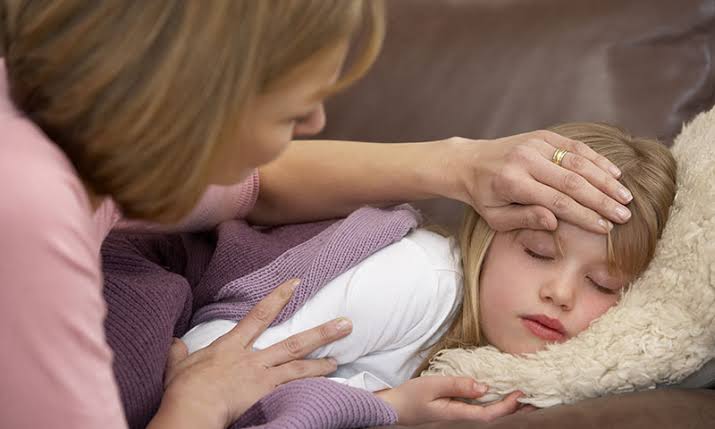
Most colds will resolve spontaneously on their own. However, the symptoms can be eased by giving children lot of fluids and keeping them warm. Simple over-the counter medications, such as paracetamol can be given to ease the discomfort, as well.

Will antibiotic help a child’s cold?
No! Antibiotics should never be taken for colds because as stated earlier, most are caused by viruses and do not require any antibiotics. That will be antibiotics abuse.

When should a parent take a child to the doctor?
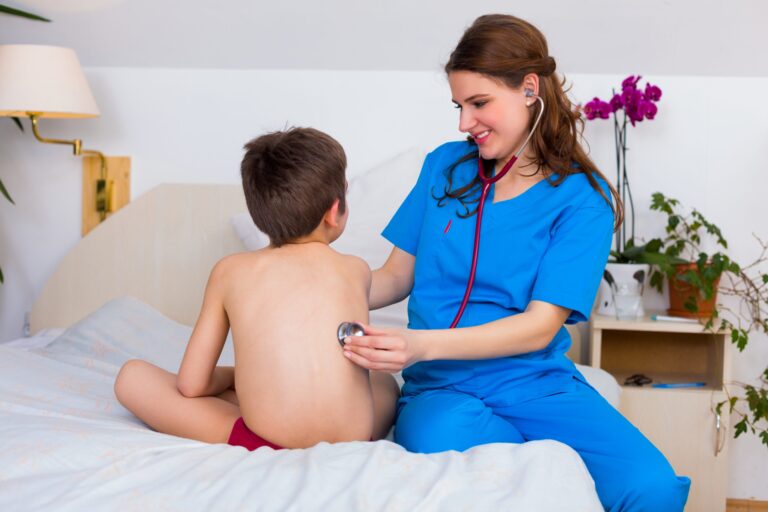
If a child’s colds, especially if associated with a cough, is not resolving or getting better or perhaps getting worse with other symptoms, such as fast or difficulty with breathing, that child should be seen by a doctor to examine the possibility of pneumonia. Cough syrup also tends to depress respiration in children (most make the children drowsy) and others have serious side effects.

So, the parents should take the child to the hospital, if the child is not getting better after two weeks, fever is high (39C and above), the child is breathing too fast or the child has any form of difficulty with breathing.

What is the best treatment for the cold?
There is no specific definitive or curative treatment for most colds. They resolve on their own after running their course. However, symptomatic relief treatment includes rest, drinking of a lot of fluids, keeping warm and use of paracetamol for fever.

What measures should parents take to avoid spreading of cold to other family members?
Measures that can help, include keeping sick children at home away from school or play groups; regular hand-washing with soap and water, sneezing into a handkerchief and all other hygiene measures, such as immediate disposal of used tissues can help reduce, but not totally eliminate transmission to other family members, who should avoid sharing of towels and other household items with those who have cold.


CHILDHOOD KILLER DISEASES – PNEUMONIA

Key Facts about pneumonia!!

  • Pneumonia accounts for 16% of all deaths of children under 5 years old, killing 920 136 children in 2015. pneumonia
  • Pneumonia can be caused by viruses, bacteria, or fungi.
  • It can be prevented by immunization, adequate nutrition, and by addressing environmental factors.
  • Furthermore, it is caused by bacteria can be treated with antibiotics, but only one-third of children with pneumonia receive the antibiotics they need.

What is Pneumonia?

Pneumonia is a general term for lung infections that can be caused by a variety of germs (viruses, bacteria, fungi, and parasites).

The most common bacterial causes are Streptococcus pneumonia  and Haemophilus influenza type b (Hib).  Respiratory syncytial virus is the most common viral cause.

Pneumonia is a contagious diseases that can be spread in a number of ways.

The viruses and bacteria that are commonly found in a child’s nose or throat, can infect the lungs if they are inhaled.

They may also spread via air-borne droplets from a cough or sneeze.

In addition, pneumonia may spread through blood, especially during and shortly after birth.

Risk Factors for Pneumonia

Most healthy children can fight infections with their natural immunity.

Children whose immune systems are compromised are at higher risk of developing pneumonia.

  • A child’s immune system may be weakened by malnutrition
  • Failure to exclusively breastfeed infants
  • Presence of other illnesses such as HIV infections and measles also increase a child’s risk of contracting pneumonia.
  • Indoor air pollution caused by cooking and heating with biomass fuels such as wood or dung
  • Overcrowding – living in crowded homes
  • Parental smoking.
  • Daycare attendance

Signs and Symptoms of Pneumonia

  • fever usually high and sometimes associated with chills,
  • cough,
  • very fast breathing (in some cases, this is the only symptom)
  • Noisy breathing with grunting or wheezing sounds
  • Difficulty with breathing – that is working hard to breathe; this can include flaring of the nostrils, belly breathing, or movement of the muscles between the ribs
  • Vomiting
  • Chest pain in older children who can complain
  • Abdominal pain, which often happens because a child is coughing and working hard to breathe
  • Weakness – less activity
  • Loss of appetite (in older kids) or poor feeding (in infants), which may lead to dehydration
  • In extreme cases, bluish or gray color of the lips and fingernails

Children with pneumonia caused by bacteria usually become sick fairly quickly, starting with a sudden high fever and unusually fast breathing. Those with pneumonia caused by viruses probably will have symptoms that appear more gradually and are less severe, wheezing can be more common.

What to do in a child with suspected Pneumonia?

  1. Take to the hospital immediately! A doctor needs to examine the child to confirm the diagnosis of pneumonia. Delay in diagnosis and treatment is responsible for the high number of deaths from pneumonia especially in the under-five children.
  2. Treatment is usually with antibiotics. For those who presented to the hospital early, treatment with antibiotics by mouth is okay but for those with severe symptoms especially breathing difficulty, they will require hospital admissions and antibiotics given into the veins (intravenous antibiotics).
  3. Some children may need other supportive treatment like oxygen, intravenous fluids (drips) and drugs to bring down the fever (antipyretics).

Prevention of Pneumonia

There is no reason any child should die from pneumonia. There are well-known preventive strategies

  1. Exclusive breastfeeding for the first 6 months of life protects the child from respiratory infections including pneumonia
  2. Immunization – especially the Pneumococcal Conjugate Vaccine (PCV), the Haemophilus Influenza Type B Vaccine (HIB) usually part of the PENTA vaccine and Measles vaccines are especially targetted to preventing pneumonia.
  3. Avoid overcrowding. Make sure that children sleep in well-ventilated rooms
  4. Avoidance of air-pollution – no parental smoking! No cooking with firewood and stoves in the room close to children. Keep children away from smokes and insecticides sprays
  5. Ensure that children eat adequate meals and are well-nourished.
  6. Keep children away from adults with upper respiratory tract infections. Also keep children at home when they have respiratory infections.
  7. Go to Hospital early if a child has cough and is breathing fast. PLEASE DO NOT RELY on Cough syrup!!! Take the child to hospital immediately. Early diagnosis and treatment will prevent the child from dying from pneumonia.

Join us in ensuring that no child dies from Pneumonia!!