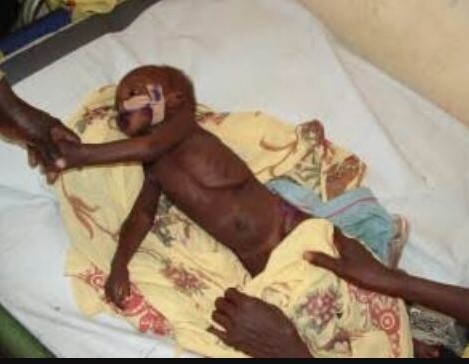
WHAT YOU NEED TO KNOW ABOUT MALNUTRITION!

Malnutrition is  a global issue but more common and devastating in developing nations where it is underlying and contributory to more than 50% of deaths of in children below the age of 5 years. It affects growth, development, immunity and learning abilities of children.

Dr Nwaoma Nwaogu, Consultant Paediatrician discussed this topic in one of our ATP group discussions recently which has now been summarized into this article.

Malnutrition, simply put, is lack of proper nutrition.

WHO refers to it as deficiencies, excesses or imbalances in a person’s intake of energy and or nutrients. There are different forms of malnutrition

  • Macronutrient deficiencies e.g. protein, carbohydrates,
  • Micronutrients e.g. vitamins, zinc iron deficiencies
  • Overweight and obesity is a form of malnutrition.

What are the common causes of malnutrition?

These can be grouped into three main categories:

  • inadequate intake
  • increased loss
  • factors external to the child.

Inadequate intake:

  • Food unavailability
  • Inadequate quantities
  • Food taboos
  • Ill health from any reason can contribute to inadequate intake of food.

Increased loss

  • Chronic or recurrent diarrhoea.
  • Problems with digestion and absorption of food already eaten can lead to loss of nutrients too.
  • Infections e.g. TB, Measles
  • Infestation e.g. hookworm infestations
  • Chronic conditions that affect appetite and metabolic processes in a child. e.g. sickle cell anaemia, congenital heart disease etc

Social contributors

  • Poor sanitation/hygiene and dirty environment which call provide the conducive atmosphere for infection to thrive
  • Uneducated mother
  • Teenage mother
  • Ignorant mother
  • Absentee mother e.g. a mother with mental ill health

Symptoms and signs of Malnutrition

The tell-tale signs of severe malnutrition include :

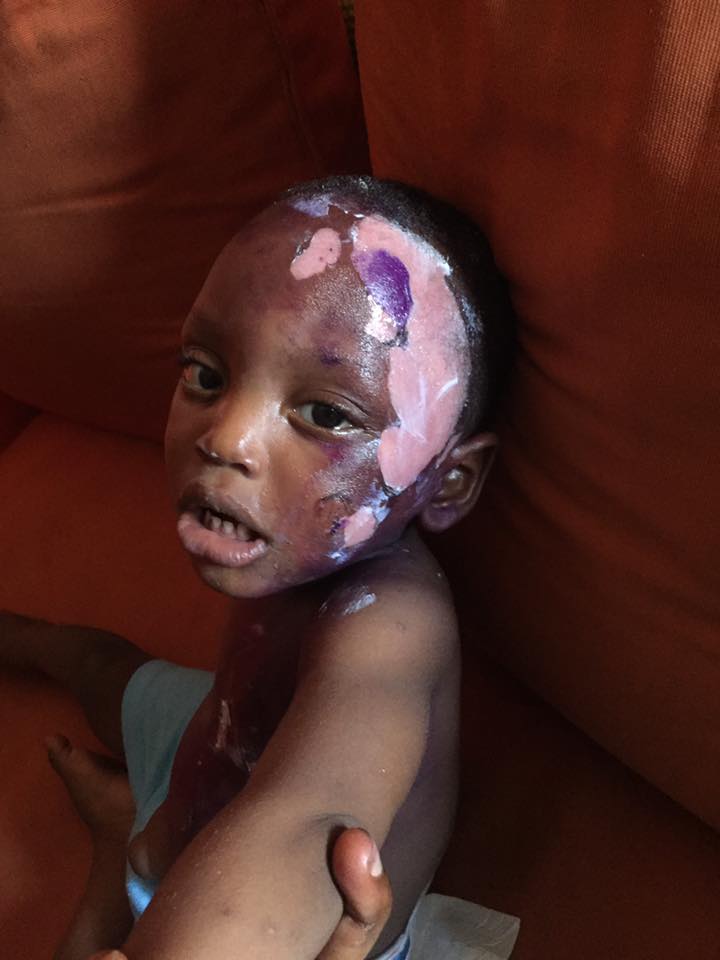
  • Head: thin hair, discoloured hair, sparse and brittle hair, prominent bones
  • Face: prominent bones, pale conjunctiva, oral lesions/ mouth sores
  • Skin: hanging skin, rashes/lesions, wounds that won’t heal
  • Limbs: thin bones and sometimes, swollen limbs; what we call oedema.

However children may have mild form of malnutrition with other subtle signs:

  1. Weight and height that are low for age of the child.
  2. Skin signs
  3. Bow legs
  4. Clothing becoming loose
  5. Child always tired/fatigued
  6. Hair  and nail changes

Management of a child with malnutrition should be at the hospital by a Paediatrician and Nutritionist (Dietitian)

Prevention of Malnutrition

  1. Exclusive breastfeeding for the first 6 months of life and adequate complementary diet beyond 6 months. This entails giving the right balance of nutrients in the right quantity, right texture/consistency, right frequency and right density/volume. You should read the article INFANT FEEDING IN THE FIRST 1000 DAYS for more information on this.
  2. Immunizations – this fight all diseases that are vaccine preventable.
  3. Personal and environmental hygiene. Hand washing and proper handling of sewage and other household waste including proper waste disposal. You should wash your hands with every diaper change; before making the child’s food and afterwards.
  4. Health Education: this article is based on parents health discussion handled by our Paediatrician on Ask The Paediatricians Facebook group. It is important to learn more about child health issues on such platforms and websites like this. You should also spread the right information. What are the available local food options? What fruits are in season, do you know how to prepare ORS and administer to a child with watery stools? All these we must learn and teach others.
  5. Family planning: You should space your children and have the number of children you can cater for properly.
  6. Clean water: It is important to make sure the child drinking water is boiled or sterilised using appropriate agents e.g. water guard
  7. Proper antenatal care: A malnourished mother will produce a malnourished low birth weight infants

If you are concerned about malnutrition in your child, please see a Paediatrician immediately. If you have any questions, you can ask in the comments. For urgent questions, this can be asked in our Facebook community group from Mondays to Saturdays. Remember to follow us on all our social media handles and join us every Monday at 6pm for the Ask The Paediatricians LIVE. Past episodes can be watched on our YouTube channel.

HANDLING COLD IN CHILDREN!!!

How do parents deal with cold in children?

What are the symptoms?
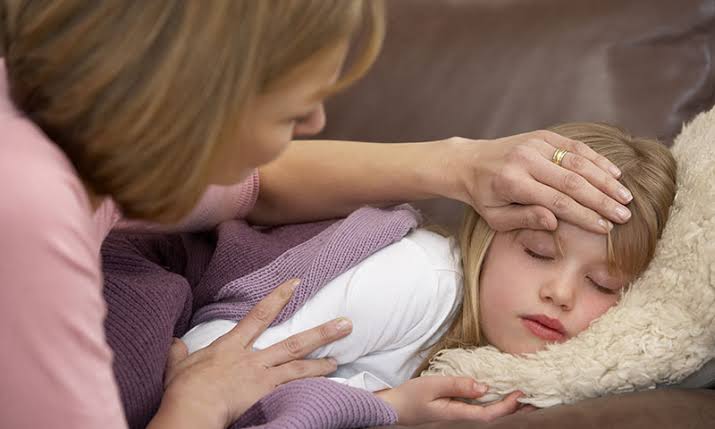
The symptoms include, blocked or running nose, popularly called catarrh, cough, sneezing and sore throat. There may also be low-grade fever, as well as headaches, feeling of fullness of the head and muscle aches, especially in older children

What can parents do to help ease cold?
Most colds will resolve spontaneously on their own. However, the symptoms can be eased by giving children lot of fluids and keeping them warm. Simple over-the counter medications, such as paracetamol can be given to ease the discomfort, as well.

Will antibiotic help a child’s cold?
No! Antibiotics should never be taken for colds because as stated earlier, most are caused by viruses and do not require any antibiotics. That will be antibiotics abuse.

When should a parent take a child to the doctor?
If a child’s colds, especially if associated with a cough, is not resolving or getting better or perhaps getting worse with other symptoms, such as fast or difficulty with breathing, that child should be seen by a doctor to examine the possibility of pneumonia. Cough syrup also tends to depress respiration in children (most make the children drowsy) and others have serious side effects.

So, the parents should take the child to the hospital, if the child is not getting better after two weeks, fever is high (39C and above), the child is breathing too fast or the child has any form of difficulty with breathing.

What is the best treatment for the cold?
There is no specific definitive or curative treatment for most colds. They resolve on their own after running their course. However, symptomatic relief treatment includes rest, drinking of a lot of fluids, keeping warm and use of paracetamol for fever.

What measures should parents take to avoid spreading of cold to other family members?
Measures that can help, include keeping sick children at home away from school or play groups; regular hand-washing with soap and water, sneezing into a handkerchief and all other hygiene measures, such as immediate disposal of used tissues can help reduce, but not totally eliminate transmission to other family members, who should avoid sharing of towels and other household items with those who have cold.


Baby Blues and Postpartum Depression in mothers!

During the postpartum period, about 85% of women experience some form of mood disturbance. For most the symptoms are mild and fleeting. However, 10 to 15% of women develop more significant symptoms of depression.

Postpartum psychiatric illness is typically divided into three categories which are:

(1) postpartum blues (2) postpartum depression and (3) postpartum psychosis. Postpartum blues is the mildest postpartum psychiatric illness while postpartum psychosis the most severe form.

Baby blues is a short-lived condition that 75-80% of mothers could experience shortly after childbirth.

After the placenta is delivered, the placental “hormone factory” shuts down causing massive changes in hormone levels, the woman can suffer symptoms due to withdrawal from the high pregnancy levels of oestrogen, progesterone and endorphins.

Combined with this shift in hormone levels is the physical, mental and emotional exhaustion as well as sleep deprivation typical of taking care of a newborn. All of these factors contribute to the condition.

 Symptoms are:
• Weepiness and bursting into tears.
• mood swings.
• Anxiousness and hypersensitivity to criticism.
• irritability.
• Poor concentration and indecisiveness.
• Feeling ‘unbonded’ with the baby.
• Restlessness insomnia.

The Blues are considered to be normal. They don’t feel good, but it’s mild and transient. Moreover, the Blues should be gone by about two weeks after delivery. No professional treatment is required other than education and support for the new mother, Do take note that sometimes the blues may show the development of a more significant mood disorder, particularly in women who have a history of depression.

If symptoms persist for longer than two weeks, the patient should be evaluated to rule out a more serious mood disorder.

Postpartum depression PPD typically emerges over the first two to three postpartum months but may occur at any point after delivery. Postpartum depression is clinically indistinguishable from depression occurring at other times during a woman’s life.

No conclusive evidence indicates that baby blues will lead to a subsequent episode of depression. Several studies do indicate that an episode of postpartum depression increases the risk of lifetime episodes of major depression.

Postpartum Depression

-Symptoms last longer than two weeks after giving birth, are much more severe than baby blues symptoms and interfere with functioning.
–You might experience feelings of anxiety, sadness (crying a lot), depression, irritability, guilt, lack of interest in the baby, changes in eating and sleeping habits, trouble concentrating, thoughts of hopelessness and sometimes even thoughts of harming the baby or yourself, obsessions, loss of interest in usual activities, feeling worthless, incompetent or inadequate to cope with your baby, fatigue and/or excessive worry about the baby’s health.

Generally, if two weeks go by after delivery and the symptoms of depression persist, the woman needs to contact her doctor for an evaluation. Your doctor will then follow you or refer you to a specialist for possible treatment, which most commonly can include psychotherapy, medication therapy. Women experiencing the baby blues can also find some relief early on by obtaining extra sleep and adding more social support and help if possible,

How can you cope with baby blues? • Don’t blame yourself; you are not a “bad mother”

• Talk about your feelings with someone you trust
• It is OK to have some negative feelings about parenting
• Let your partner and/or family know how they can help you Try to rest when the baby sleeps
• Have healthy snacks and get help with meal preparation

Avoid caffeine and alcohol
• Get out of the house every day for fresh air
• Be physically active every day

Postpartum depression requires treatment, so women experiencing symptoms discussed above for over 2 weeks after delivery need to see a doctor.

Husbands and family members have a huge role to play by looking out for the warning signs and ensuring the women receive care which is readily available,

You can discuss with your gynaecologist who can then refer you to see a psychiatrist. Most hospitals have a visiting psychiatrist so help is available,

Depression is the 2nd leading cause of disability worldwide says WHO. This means its nothing to be ashamed of, its commoner than you think and help is available. Endeavor to seek help if you are experiencing symptoms of depression or you know anyone who is.

Handling Burn injuries in children!!

Burn in children can occur anytime, how do you handle it?

Burn injuries are common emergencies that often leave parents and caregivers confused on what to do!

Dr Ayobami Aranmolate, Consultant Burns and Plastic Surgeon at Grandville Medical and Laser, Lagos took up this topic in a Group Discussion on the Ask The Paediatrician Facebook Live Group Discussion recently.

It is always a very painful and agonizing time for the child and the parents anytime a child suffered from Burns.

It is very important to prevent burns from happening in the first instance. However, if it happens, we as parents must know what to do.

Most of the commonly used first-aids by many African parents are actually counterproductive and can worsen the burns injuries. The highlights of the Group Discussion on Burns by the Burns Surgeon is highlighted in this article.

Burn injuries are injuries or wounds that result from exposure of the skin to heat, electricity, radiation and chemicals.

In burns, the skin is partly or wholly damage by the heat or electricity.

The commonest is the home accident which can be caused by heat (fire) or  hot water in various scenarios such as

  • Heat from hot water steam from our kettles.
  • Hot food, hot water from the water bottle or flask.
  • Children dragging boiling water and so on
  • Others include children biting electric cables or eating battery which contains either acid or alkaline.

We can also burns have industrial burn injuries like in child labour especially in children who are forced to work in industrial areas or either as a survival option.

When burns occur, it is not only the skin that is burnt or damage but all the other structures that are under the skin. Likewise some cases may even burn all the way to the bone e.g. electrical burns injury. Electrical burns injuries are usually the most severe.

Thermal (heat) burn is the most common of the different forms of burn injuries often seen in children.

It can be sustained by touching or contact with anything that is hot either liquid or solid.


The contact time is usually very important apart from the temperature of the object. The higher the temperature the more severe the burn. The longer the contact time the higher the severity.

Melting metal in form of object roll cause more damage to the skin than water in liquid form.

Thermal burn is usually superficial burn meaning it doesn’t usually go deep down the skin and many at times they can be managed at home but it is advised that the discretion of management should be left to the Burns Surgeons as some superficial burns may actually be deeper than the way it looks.

What to do in event of burns accident?

  • Call for help if you are in an enclosed area especially in fire accident.
  • Pour copious amount of water on the area involved!!!Water helps the burn injury by cooling the skin which reduces the severity of the injury except in some rare cases of chemical burn injury
  • Remove the child from the site of injury
  • Remove the clothing if burning as quickly as possible
  • Cold water should be poured preferable to the area of injuryThe same principle applies in chemical burn
  • In electrical injury switch off the light from the source or disconnect the object
  • Take the child to the hospital for assessment by the doctors especially if it is severe or major.

Types of burns that require immediate hospital  care

Though minor burns wounds can be managed at home, the following types of burn injuries must always be taken to the hospital!!! This is because such wounds have higher risks of complications if not properly managed. They are burns involving:

  • the hand
  • genitals or private part
  • the face
  • inhalation injury as a result of inhaling lot of smoke or fumes from the fire
  • large surface areas of the body
  • Chemical burns (from acid or alkali) no matter how small
  • Electrical burns no matter how smallElectrical burn is worse because it has what we call ice berg phenomena because what you see outside is not a true representative of the severity of injury

What not to do in case of Burns?

There are some common, popular local practices of first-aids for burns injury that are actually not recommended as they can worsen the burns. In cases of burns,

  • Do not  apply pap (ogi or corn meal)
  • Avoid breaking and pouring egg on the burns wound
  • Never pour urine on the wound
  • Do not apply salt 
  • Avoid applying crude oil

Remember, the first thing to do is to pour cold water on the burns and then take the child to the hospital if it falls in the category of those that must be taken to hospital. If small wound, after the cold water, you can use vaseline, honey or dermazine cream on the wound.

The first 24 hours is very important even though complications can still arise after the first 24hours but a lot of mistakes are made in the first 24hours.

Burn injuries don’t usually have infection until when things like urine,pap,eggs and so  on are poured on it! Burn wounds infections is one of the most serious complication of burns that can make it life-threatening!!!

In conclusion, we Paediatricians are more interested in prevention of  burns. As popularly known, prevention is better than cure!!!

Please AVOID BURNS BY ALL MEANS!!!  

  • Keep children away from the kitchen.
  • Be very alert when handling hot liquids – most burns accidents happen in split seconds.
  • Avoid carrying hot water without pads or over a long distance!
  • Avoid leaving hot liquids – water or tea on high tables where children will want to pull it down.
  • Child-proof your homes to reduce domestic accidents from fire and hot liquids.

However, if burns still happen, do as advised. Pour lot of cold water and take the child to the hospital immediately!!!

Bedwetting in children – what you need to know

Bed-wetting! One of the concerns often brought to the Paediatricians by mothers!

It seems next to the issue of teething and poor eating, concerns about bed-wetting ranks as the third most common questions mothers ask the Paediatricians.

Dr Adaobi Solarin, Consultant Paediatric Nephrologist addresses the issue of bed-wetting in children in a recent Group Discussion on Ask The Paediatricians Group recently. The essential highlights of that discourse are summarised in this article.

Bladder only does two things. It likes to fill up with pee and store it for you until you are ready to go to the toilet. This is what the bladder should do most of the time. The Bladder fills first with urine and when the bladder is half full, there is a first desire to pass urine (micturate) but most people will through the brain inhibits the process until they are at the right place and time to pass urine. There is a sphincter or tap that control the release of urine when the person is ready by relaxing so the urine can flow out. When the person is ready, the bladder will empty. The tap at the bottom has to open nicely and the muscle in the bladder squeezes all the pee out so none is left behind.

Bedwetting is also called ENURESIS when it happens at night. Enuresis means recurrent, spontaneous urination during sleep in children aged at least 5 yrs. of age. By age 5 yrs. a child is normally able to avoid at will and to postpone voiding in a socially acceptable manner.

It is a common disorder that affects 15 – 20% of 5 yr old kids and 5 – 10% of 7yr olds. There is a higher prevalence in boys than in girls by a ratio of 2:1. It is a hereditary disorder that runs in some families with an autosomal dominant pattern of inheritance. If either parent had enuresis the relative risk for the child to have enuresis is 7.8; if both parents had enuresis the relative risk is 16. Children with developmental delay, mental retardation, Attention deficit hyperactivity disorder (ADHD) and minor neurological dysfunction have a higher prevalence of bed-wetting compared to other children.

Apart from hereditary, it can occur as a result of three major mechanisms:

  1. Nocturnal Polyuria (too much urine in the bladder at night)
  2. Detrusor overactivity (the bladder muscle working too much)
  3. Increased arousal thresholds ( a problem at the brain that does not make the child wake up on time) Common disturbance at brainstem level.

Enuresis or Bed-wetting can be classified in many ways.

Primary Enuresis: no specific cause in a child who has not been dry for less than 6 months

Secondary Enuresis: due to other diseases in a child who has been previously dry for at least 6 months.

Monosymptomatic Enuresis: Enuresis without any other Lower Urinary Tract symptoms (LUT)

Non-monosymptomatic Enuresis: Enuresis with other LUT symptoms, e.g. daytime incontinence, urgency, frequency, weak stream, straining

The secondary Causes of Enuresis include Urinary tract infection, Constipation, Pinworm infection, Diabetes Mellitus, Diabetes Insipidus, Psychological stress and Chronic Renal failure.

HOW DO DOCTORS HANDLE CHILDREN WHO HAVE ENURESIS (BED-WETTING)
In managing a child with enuresis, the first thing doctors do is to ask questions. Some of these questions that are important you will be asked include the family history of bedwetting; has the child always bed-wet or there is a preceding dry period; nocturia – every night or occasionally, the child’s drinking habits and sleeping patterns.

After the questions, the child will be examined physically. This includes the Ear, Nose and Throat (ENT) examination for adenotonsillar hypertrophy; Abdominal palpation for renal masses and faecal mass; the external genitalia (phimosis, hypospadias); the spine for deformation, pigmentation, hair growth and neurological examination. Finally, Urine is tested with a dipstick for the presence of sugar, protein and white blood cells that may help rule out Diabetes mellitus, renal disease and urinary tract infection.

TREATMENT OF ENURESIS

• Primary mono-symptomatic enuresis resolves with time.
• Medication is rarely indicated in children younger than 6 yrs of age.
• The first step is to educate the child and family.
• Before primary nocturnal enuresis is treated, daytime symptoms must be actively identified and managed.
• Secondary causes like urinary tract infection must be investigated and managed appropriately.

GENERAL MEASURES (for Parents)

  • Bladder retraining
  • Regular fluid intake: 30ml of water/kg each day, mostly at school
  • Minimise evening fluid and solute intake
  • Timed regular voiding: voiding regularly, At least two or three times during school hours
  • Correct toilet position: Relax the pelvic floor muscles
  • Treat constipation: Fluids, higher fibre intake
  • Encourage physical activities

TREATMENT

When general measures do not lead to resolution of symptoms, then the child should be seen by the Paediatric Nephrologist, the Paediatrician with expertise in managing kidney and urinary problems in children.

Some of the modes of treatment used by the Nephrologists include the use of alarms and medications such as Desmopressin and imipramine. These medications must be prescribed by your doctors and you must be conversant with their potential side effects.

All children with daytime wetting (not the wets during an afternoon nap but otherwise dry) MUST see their paediatrician for appropriate evaluation and referral to the nephrologist.

In conclusion, most bed-wetting with no cause will resolve with general measures. Bed-wetting that are due to other causes will resolve with treatment of the underlying causes. If there is no improvement with simple and general measures, it is important to see a Paediatric nephrologist for further evaluation and treatment.


MY BABY HAS “OKA”!

If you are not from Nigeria, you may be lost from the title alone. The typical Naija Mum knows what I am talking about, especially if you are from the South-Western part of the country, specifically the Yoruba tribe. The other tribes have their own names for the same condition. A mum told me it is called “ndawa isi” in Ibo. Someone should tell me the Hausa name.


What is “oka”?

A lot of Nigerian Mums ask me countless number of times if their babies have “Oka”. In fact, most do not ask “if” as they have been handed the standard diagnosis of “Oka” by the Grannies stat. Their own question is whether they should give “agbo oka” that is native concotion or herbal remedies for the “Oka”. Another category of mums have gone beyond that and have started the treatment for “Oka”. How do I know? Once you see a new baby with clean shaven head and sticky blackish substance applied to the scalp toward the front, you are seeing a child undergoing treatment for “Oka”.

So what is this “Oka”?

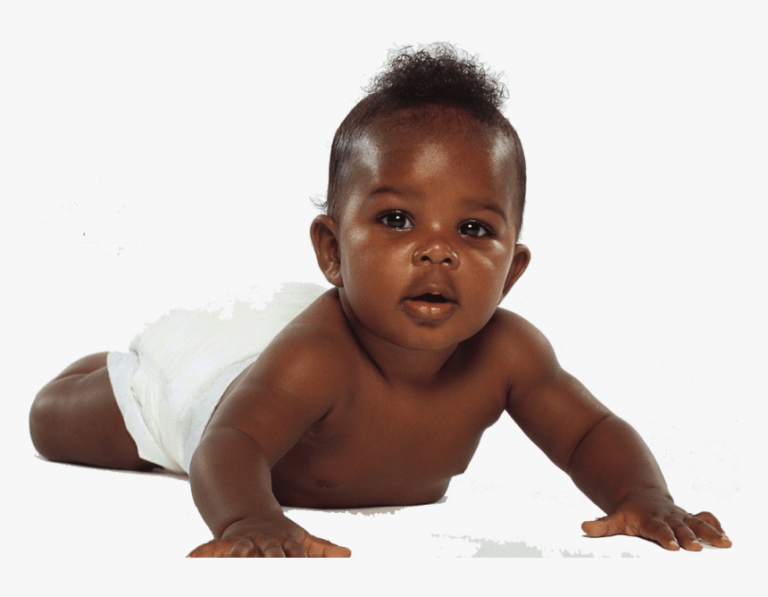
The Grannies and some mums believe that there is a “hole” or “space” which is “breathing” or pulsating in the head of the new baby which is abnormal. That this soft space is not right and should not be there. Any baby that has this “abnormal space or hole” is diagnosed with “Oka”.

For fat, hairy babies, the “hole” is not so apparent and often ignored. However, in smaller babies who are also not gaining weight or perhaps loosing weight, the space is very prominent and can even be sunken. Such babies are easily labelled as having “Oka” and commenced on all forms of treatment ranging from application of substances on the scalp to drinking herbal remedies. There are lots of myths and beliefs surrounding this “Oka”.

So why am I talking about “Oka”?

Some years ago, during my residency training to become a Paediatrician, I was working at the Children Emergency Room (CHER) at the Lagos University Teaching Hospital when two women rushed in with a baby crying. That is not unusual in CHER. What was terrifying that day was when I saw the baby rushed in. He was about 2 – 3 months old. For the first time in my life, I was seeing the brain live and direct in a living person who was not being operated. This was not a movie scene! The brain of this baby was completely visible to everyone. What happened?

In the usual fashion, the grandma who came for “omugwo” had made a diagnosis of “Oka” and has prescribed the traditional treatment which was coating the surface with a black material. Unfortunately, in this scenario, whatever substance was applied was so caustic, it eroded (burnt) away the membrane of the anterior fontanelle and you can see the baby’s brain live and direct!!! Of course, this was disastrous….for baby, mother and grandma and even us the doctors.

That is why I talk and educate mums about this traditional myths and beliefs that are dangerous to children’s health. Of course, granny did not mean to harm her precious grandson but she did anyway.  That baby had to undergo brain surgery. Of course, he had serious infection of the brain even before and after surgery. Though he did not die, but there are long-term complications he will face all because of someone’s ignorance. No wonder, ignorance is more expensive than education.

Facts to know about “OKA”

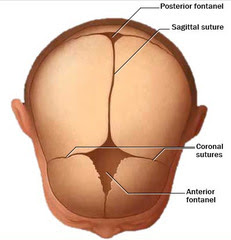
  1. The “soft hole or space” often erroneously believed to be an abnormality is A NORMAL PART of the baby’s head. It is called ANTERIOR FONTANELLE (AF).
    Every baby has it. It is there to allow along with the small spaces (sutures) between the different bones of the skull to accommodate the baby’s brain growth. So it is not “OKA” or any other thing….It is a normal part of the baby’s head.
  2. The anterior fontanelle (AF) is covered by a membrane, and this membrane is what actually separates the baby’s brain from the environment. It is that important! So any application of substances that can damage this membrane will lead to exposure of the brain to the environment with serious consequences like in the story above.
  3. The fact that in some babies, very hairy or chubby especially, that you can not see it pulsating or “breathing” in local naija parlance does not mean it is not there. Some mums have actually said their babies do not anterior fontanelle! That is not true….every baby is born with one!
  4. The size and shape of the AF varies from one baby to another normally. In some conditions, it can be too big. Also the anterior fontannelle can be elevated “bulging” in some conditions especially if the baby has infections in the brain. It can be depressed “sunken” in other conditions like in babies that are very dehydrated or malnourished.
    Please note that in these conditions, it is not the AF causing the disease symptoms (for example diarrhoea and dehydration with sunken AF). Rather, the AF is just reflecting the fact that something is wrong in the body systems.
    It is important to say this because this is one of the reasons some mums believe in “OKA”. Such babies are sick and may either have prominent or sunken AF in addition to other symptoms. The “OKA doctors” will now say it is the “oka” causing the symptoms.
    The danger of this belief is all treatments will be directed to the AF and the underlying disease causing the change in AF will be ignored. Also some of the native medications often use d have dangerous side effects and consequences especially on the immature liver and kidneys of the babies causing further damage….”fry pan to fire” scenario!!!
  5. The AF closes on its own by age of 18 – 24 months. This is because more than 90% of brain growth and development has occurred by the age of 2 years. You did not need to do anything about it. It happens on its own. Just to note that some diseases can cause delay in closure of the AF. See your paediatrician if you can still feel the AF in your baby after age 2 years.
  6. You did not need to apply oil to the AF hourly or daily….highly unnecessary and the dripping oil will cause rashes on the baby’s face. The AF is not “drying up” like many naija mums believe. You also do not need to put thread from cloth. You also do not need to mop AF with hot water or apply any substances local or herbal on it. JUST LEAVE THE AF ALONE!!7. Finally if your baby is sick with or without observed changes in the AF, please go to the Hospital immediately. Don’t assume and don’t accept the “OKA” diagnosis. Please see your doctor for proper  diagnosis and treatment. A stitch in time saves nine!

Thank you for reading. I will like to read your thoughts on this “OKA”. Please comment or email me at as******************@***il.com. If you also have questions or clarifications on this issue or any child health issues, feel free to email me. I love reading your questions and comments.
Dr Gbemisola Boyede