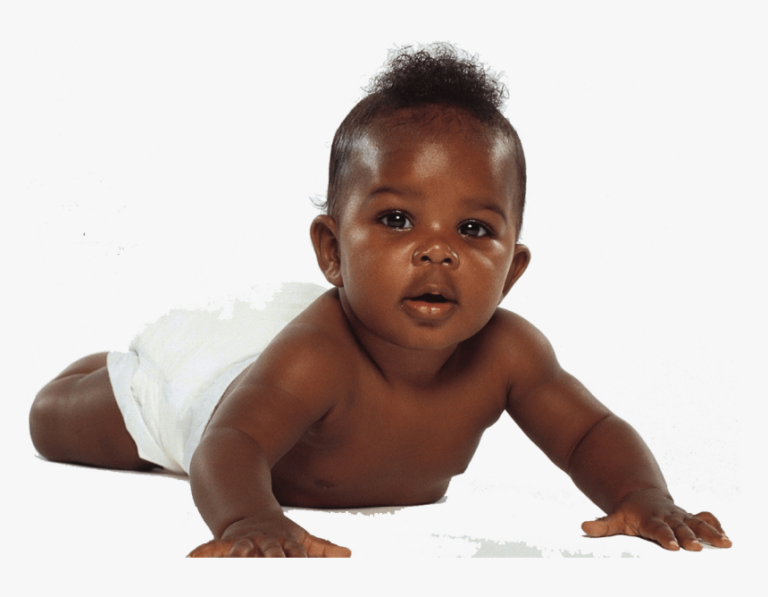
Basic Skin Care for Infants and Children (1)

Dr Folakemi Adeife Cole, Consultant Dermatologist on the Ask The Paediatricians Facebook Group handled a group discussion recently on the topic of the care of skin for newborns and children. The salient points have been summarised into two-part articles. This is the first article and essential for all parents.

Basic skin care starts from the moment a child is born. Good skin care practices from birth have a major impact on not just a child’s skin but also their general health and wellbeing and I will be sharing with you why.

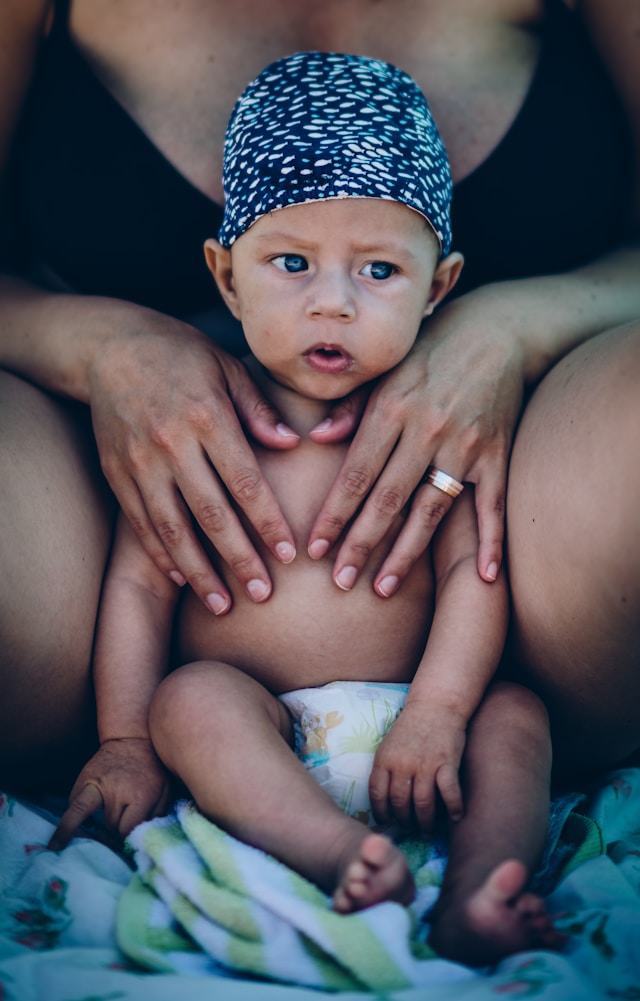
As soon as a baby is out the womb, they are exposed to the environment which includes the temperature and germs in the environment. It is important that the first germs a baby is exposed to are familiar friendly bacteria of the mother and father and not the unfriendly germs of the hospital. New research has shown that the best thing to do when a child is born is to put the child on the mothers chest to institute skin to skin contact with the mother and the familiar bacteria or normal flora of the mother.

So when a child is born, the doctors and nurses should not rush to wash the child or clean the child first; except the child requires some resuscitation. It is best to put the child in contact with the mothers bare skin, especially children born via caesarean section. Children born via vaginal delivery would have come in contact with the mothers good germs when passing through the vagina. Children born via caesarean section can get some of these good germs from skin to skin contact by laying on the mothers chest for some minutes immediately after birth.

So the first step for good skin care for infants is skin to skin contact with the mother.

Research has shown that babies who do not have this skin to skin contact are more likely to have allergic conditions and skin issues as they grow up.

Then it is important to clean the baby with a good oil like coconut oil immediately after birth and not be in too much of a hurry to bath the baby. The baby’s first bath can be a few hours or even a day after birth.

Please avoid the use of antiseptic soaps and liquids in bathing new born baby or infant of any age. It is a very wrong practice that a lot of our hospitals and midwives encourage but research has shown that it is harmful to the health of the baby.

It is important to bath the child with clean water but not antiseptic water because the antiseptics like dettol and savlon are irritants to the skin and they also take away to good bacteria on the baby’s skin which can cause immune dysfunction in the child.  The immune system is supposed to mature and develop with exposure to normal environmental germs. When you prevent such exposure, the immune system can become overreactive and that’s why many children nowadays have allergies and all manner of skin rashes problems.

Please avoid medicated soaps and liquids for your babies, infants and children.

Look for pH balanced soaps and cleansers for babies. Examples include sebamed baby wash, dove baby wash, aveeno baby wash. These are close to the normal acidity level of a healthy skin and will encourage the baby’s skin to be healthy. Original black soap is also quite good but many people who now make black soap have changed the formula, making it quite harsh on the skin.

You can ensure the water you bath your baby with is clean by boiling it with a boiling ring if you do not have a water heater . If you have a water heater run the water for the bath hot and allow it to cool down and use it to bath the baby. Hot water will be free of germs like bacteria, viruses and fungi that can harm your baby.

Use good moisturizers – lotions, creams and oils for your baby.

Do not use harsh sponges to scrub the baby’s skin. Use gentle soft sponges. Scrubbing the skin too much can damage the child’s skin by removing some good oil that the skin produces.

Avoid triple action creams like Funbact A and Skineal!

They are a big NO for babies and children. They contain very strong steroids that should not be used in any child less than 12 years. the skin of a baby is very thim and the substances in these creams can easily be absorbed into the baby’s blood through the skin and cause some damage to the child’s vital organs!!! Avoid all creams that say anti inflammatory, antibacterial anti fungal (aka triple action creams). They are harmful to babies!

To Be Continued…….in Part 2!

Is your child’s development on course?

Are you worried about your child’s development being slow or delayed?

Use this rapid screen. The child should achieve ALL the items in the age category before this – if not, see your Paediatrician (Developmental) for further assessment and management.

The earlier the delay is picked up and interventions commenced, the better the favourable outcome for the child according to evidence-based research.


3 months

* Lie awake baby on the back

* Head should be in the midline and not falling to one side

* Baby should look at your face or an object, and follow through 180 degrees

*Get baby to smile at you

*Baby should be lying with arms and legs positioned symmetrically


6 months old should be able to

* Lie awake, baby on back

* Lie with hands in the midline and together

* Coo and gurgle with pleasure when you talk to him/her

* Reach out to grab objects extended to him or her

* When pulled to sit should not have the head falling back


9 months old

* Should be babbling e.g. tata, dadada, yayaya

* Reaches for an object and takes it to the mouth

* Should be able to sit without support

* Should demonstrate a parachute reflex (flying out both hands when when the child is held upright and the baby’s body is rotated quickly to face forward (as in falling) with nice open hands


12 months old

* Should say at least one word mama, dada, meme, baba

* Holds 2 small objects – one in each hand

* Bangs objects together (one in each hand)

* Stands up holding unto furniture or mom’s knees


18 months old

* Uses 6 recognizable words e.g. Mama, papa, thankyou, nana etc

* Point to something in the room and say “look at that” the child should look

* Walks without support with symmetrical movement of arms and legs


2 year old

* Puts 2 words together e.g. Mama biscuit, papa go, etc

* Understands simple commands “give me that” ” fetch that”, “wipe your nose”

* Runs well with symmetrical movement of arms and legs

* Can kick a ball without holding on to something for balance

* Holds pencil and makes circular scribbles

* *If walking on toes or very clumsy, see your Developmental Paediatrician


3 year old

* Should tell you their name correctly

* Combines 3 words in speech

* Builds a 6 cube tower

* Names items in room easily: pen, book, phone, teaspoon, cup, chair, clock

* Jumps off a step easily landing 2 feet together


4 years old

* Speech is understandable to person not close to the child

* Can copy/draw a circle

* Walks up and down steps easily without holding onto railing one foot per step


5 years old

* Speech is fluent with good sentence structure

* Knows name, age and gender

* Draws a person with at least 6 body parts (head, eyes, mouth, nose, arms and legs, out of heads hair, ears, fingers)

* Hops well on one leg

* Can jump off 2 steps and land 2 feet together

Note : This screen is BASIC AND SIMPLE. It will not pick up mild problems but significant ones. If you are concerned, it would be best to see your Developmental Paediatrician as soon as possible.

HANDLING COLD IN CHILDREN!!!

How do parents deal with cold in children?

What are the symptoms?
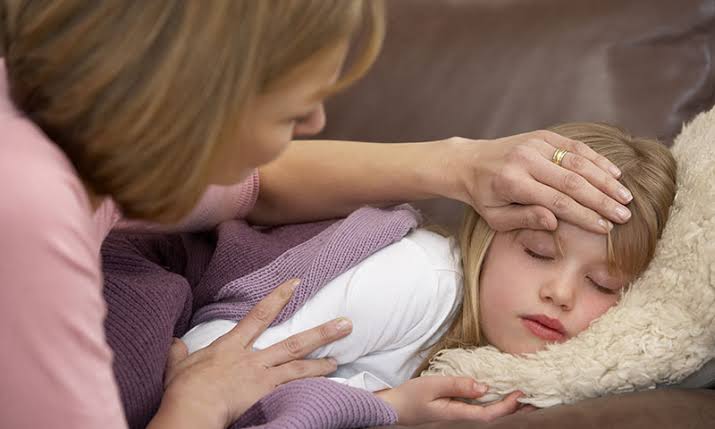
The symptoms include, blocked or running nose, popularly called catarrh, cough, sneezing and sore throat. There may also be low-grade fever, as well as headaches, feeling of fullness of the head and muscle aches, especially in older children

What can parents do to help ease cold?
Most colds will resolve spontaneously on their own. However, the symptoms can be eased by giving children lot of fluids and keeping them warm. Simple over-the counter medications, such as paracetamol can be given to ease the discomfort, as well.

Will antibiotic help a child’s cold?
No! Antibiotics should never be taken for colds because as stated earlier, most are caused by viruses and do not require any antibiotics. That will be antibiotics abuse.

When should a parent take a child to the doctor?
If a child’s colds, especially if associated with a cough, is not resolving or getting better or perhaps getting worse with other symptoms, such as fast or difficulty with breathing, that child should be seen by a doctor to examine the possibility of pneumonia. Cough syrup also tends to depress respiration in children (most make the children drowsy) and others have serious side effects.

So, the parents should take the child to the hospital, if the child is not getting better after two weeks, fever is high (39C and above), the child is breathing too fast or the child has any form of difficulty with breathing.

What is the best treatment for the cold?
There is no specific definitive or curative treatment for most colds. They resolve on their own after running their course. However, symptomatic relief treatment includes rest, drinking of a lot of fluids, keeping warm and use of paracetamol for fever.

What measures should parents take to avoid spreading of cold to other family members?
Measures that can help, include keeping sick children at home away from school or play groups; regular hand-washing with soap and water, sneezing into a handkerchief and all other hygiene measures, such as immediate disposal of used tissues can help reduce, but not totally eliminate transmission to other family members, who should avoid sharing of towels and other household items with those who have cold.


DANGER – STOP THE ANTIBIOTICS ABUSE

If I get a dollar for every time I’ve heard a parent say “my child has so and so symptoms AND I’ve used antibiotics for it but no changes” I will be stupendously rich!

Where did parents especially the Nigerians (yes we are the main culprits so this is for you my Nigerian parents) got the impression that once a child has any symptoms, all they need to use is antibiotics and all will be well!

I get it that we have lot of bacteria flying around living in hot and humid environment like ours and all the other excuses! That’s what they are excuses!!

We need to stop this now!!

STOP the antibiotics abuse!

I know it is not your fault! After all anyone can easily step into any shop or store in this country and buy any antibiotics as long as you can say the name! In saner climes, it is not like that. Go next door to Ghana and see if you can try it.

Hmmmm, due to some people’s desire to make money at all cost, they dispense with ethics that require a prescription by a doctor first! We even have non-medical professionals and some quack professionals selling antibiotics. Some even hawk them on the public buses! What a country!

You may think “what’s the big deal?” Google “antibiotics resistance” and see the dangers. It is an epidemic that we are not winning against. What that means is we are playing with fire – deaths from antibiotics-resistant bugs!!

When antibiotics are used when not necessary, the bugs develop resistance to them. When eventually the antibiotics are needed, they won’t work. We have seen so many cases that we don’t even have any medication that works again because of antibiotics resistance!

All you parents that give Augumentin and Zinnat like Pure water “Ampiclox and Amoxil are for the learners now”; this is the time for you to repent. May your kids not get that multi- drugs-resistant bugs! It can be fatal! You must stop today!!

Those of you that routinely give children antibiotics every 3months like worm medicine or vitamin C… More Power to your elbow!!🤗 The day of reckoning coming soon.

My memo today is simple

1. Never use antibiotics except it is prescribed!

2. Use the right dose for the right duration prescribed by your doctor.

Not completing the course of antibiotics treatment is also as bad as using it without prescription ó.

Avoid antibiotics resistance at all cost.

Stop using antibiotics by self-medication (when it has not been prescribed)

PS: I forgot those of you who consume Flagyl  (metronidazole) after every party and also give such drugs like Flagyl and tetracycline to your children for every loose stools! Please STOP!!! Most diarrhoea do not need any antibiotics!

I hope by adhering to these simple guidelines but we can prevent antibiotics resistance – a looming and fatal epidemic if the present spate of irrational use of antibiotics continue. Thank you for reading!

Handling Burn injuries in children!!

Burn in children can occur anytime, how do you handle it?

Burn injuries are common emergencies that often leave parents and caregivers confused on what to do!

Dr Ayobami Aranmolate, Consultant Burns and Plastic Surgeon at Grandville Medical and Laser, Lagos took up this topic in a Group Discussion on the Ask The Paediatrician Facebook Live Group Discussion recently.

It is always a very painful and agonizing time for the child and the parents anytime a child suffered from Burns.

It is very important to prevent burns from happening in the first instance. However, if it happens, we as parents must know what to do.

Most of the commonly used first-aids by many African parents are actually counterproductive and can worsen the burns injuries. The highlights of the Group Discussion on Burns by the Burns Surgeon is highlighted in this article.

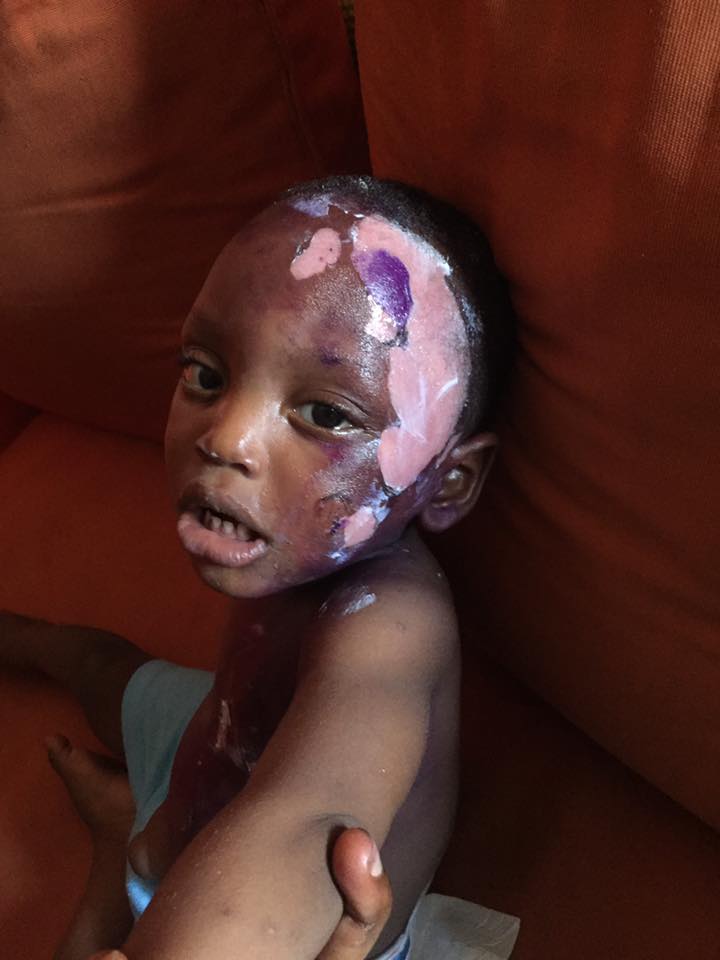
Burn injuries are injuries or wounds that result from exposure of the skin to heat, electricity, radiation and chemicals.

In burns, the skin is partly or wholly damage by the heat or electricity.

The commonest is the home accident which can be caused by heat (fire) or  hot water in various scenarios such as

  • Heat from hot water steam from our kettles.
  • Hot food, hot water from the water bottle or flask.
  • Children dragging boiling water and so on
  • Others include children biting electric cables or eating battery which contains either acid or alkaline.

We can also burns have industrial burn injuries like in child labour especially in children who are forced to work in industrial areas or either as a survival option.

When burns occur, it is not only the skin that is burnt or damage but all the other structures that are under the skin. Likewise some cases may even burn all the way to the bone e.g. electrical burns injury. Electrical burns injuries are usually the most severe.

Thermal (heat) burn is the most common of the different forms of burn injuries often seen in children.

It can be sustained by touching or contact with anything that is hot either liquid or solid.


The contact time is usually very important apart from the temperature of the object. The higher the temperature the more severe the burn. The longer the contact time the higher the severity.

Melting metal in form of object roll cause more damage to the skin than water in liquid form.

Thermal burn is usually superficial burn meaning it doesn’t usually go deep down the skin and many at times they can be managed at home but it is advised that the discretion of management should be left to the Burns Surgeons as some superficial burns may actually be deeper than the way it looks.

What to do in event of burns accident?

  • Call for help if you are in an enclosed area especially in fire accident.
  • Pour copious amount of water on the area involved!!!Water helps the burn injury by cooling the skin which reduces the severity of the injury except in some rare cases of chemical burn injury
  • Remove the child from the site of injury
  • Remove the clothing if burning as quickly as possible
  • Cold water should be poured preferable to the area of injuryThe same principle applies in chemical burn
  • In electrical injury switch off the light from the source or disconnect the object
  • Take the child to the hospital for assessment by the doctors especially if it is severe or major.

Types of burns that require immediate hospital  care

Though minor burns wounds can be managed at home, the following types of burn injuries must always be taken to the hospital!!! This is because such wounds have higher risks of complications if not properly managed. They are burns involving:

  • the hand
  • genitals or private part
  • the face
  • inhalation injury as a result of inhaling lot of smoke or fumes from the fire
  • large surface areas of the body
  • Chemical burns (from acid or alkali) no matter how small
  • Electrical burns no matter how smallElectrical burn is worse because it has what we call ice berg phenomena because what you see outside is not a true representative of the severity of injury

What not to do in case of Burns?

There are some common, popular local practices of first-aids for burns injury that are actually not recommended as they can worsen the burns. In cases of burns,

  • Do not  apply pap (ogi or corn meal)
  • Avoid breaking and pouring egg on the burns wound
  • Never pour urine on the wound
  • Do not apply salt 
  • Avoid applying crude oil

Remember, the first thing to do is to pour cold water on the burns and then take the child to the hospital if it falls in the category of those that must be taken to hospital. If small wound, after the cold water, you can use vaseline, honey or dermazine cream on the wound.

The first 24 hours is very important even though complications can still arise after the first 24hours but a lot of mistakes are made in the first 24hours.

Burn injuries don’t usually have infection until when things like urine,pap,eggs and so  on are poured on it! Burn wounds infections is one of the most serious complication of burns that can make it life-threatening!!!

In conclusion, we Paediatricians are more interested in prevention of  burns. As popularly known, prevention is better than cure!!!

Please AVOID BURNS BY ALL MEANS!!!  

  • Keep children away from the kitchen.
  • Be very alert when handling hot liquids – most burns accidents happen in split seconds.
  • Avoid carrying hot water without pads or over a long distance!
  • Avoid leaving hot liquids – water or tea on high tables where children will want to pull it down.
  • Child-proof your homes to reduce domestic accidents from fire and hot liquids.

However, if burns still happen, do as advised. Pour lot of cold water and take the child to the hospital immediately!!!

THE MEDICATIONS-REFUSING CHILD: WINNING STRATEGIES!

  1. One of the most frustrating situations parents especially mothers have to deal with especially when a child is sick; is that child who refuses medications!!!

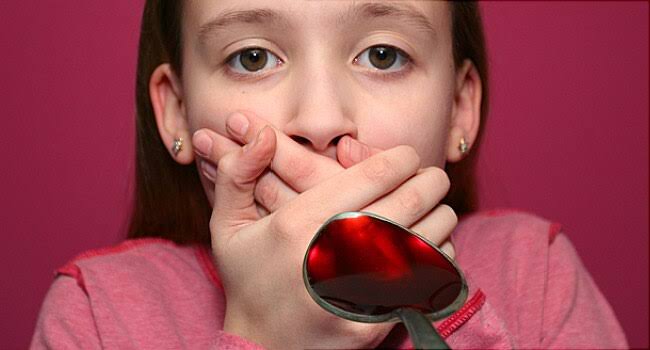
Yes, try all you will, the child will not budge. Most will keep their mouths shut so tight, not even a drop will slip through. Sometimes, this has pushed some mothers to force-feeding approach just to give medications.

Just imagine after all the stress and anxiety of a sick child; then you manage to go to the hospital to see a doctor or the Paediatrician. Perhaps you have to endure a long wait at the Government Hospitals just to see the doctor. Wait forver for laboratory results to confirm the diagnosis. After a long day, you finally got the prescription and arrive at home to start the drugs hoping for quick relief only for the World War 3 to start.

The child refused to take the drugs. Sometimes you harass and forcefully give the medications with lot of cryings and shouting. Just after you are congratulating yourself for mission accomplished, you heard a small retch, before you can blink, the child has vomited all the medications!!! Back to Square 1!!!

I can imagine the frustration. In fact I have been there as well.

For those mothers with amazing children who promptly swallow all their medications even the bitter ones, you may not understand how blessed you are.

So for those of us who have to battle their children each time just to give 5ml of Paracetamol; this article is for you. God even help you when you have to give 3 or 4 different medications at same time. This situation can be quite overwhelming for the already stressed mother.

So I will be sharing a few simple strategies on how to give oral medications to the unwilling child.

Of course you know as Paediatricians, we frown heavily on forceful administration of drugs. So that is not allowed at all!!!

SIMPLE  WINNING STRATEGIES

1. GIVE MEDICATIONS ON AN EMPTY TUMMY EXCEPT WHERE CONTRAINDICATED

I know most mothers believe that medications must be given immediately after food. That is not always true. Indeed, there are few medications that can must be given after food. Some can be given before food.

So for the reluctant children, you may want to give them their drugs before food. This will reduce the chances of vomiting compared to when medication is given on a full tummy.

Also the very young infant is more likely to take the medication when hungry before they  realize it is not food and if you give food afterwards, they will easily forgive you and not vomit out the drugs. Try it and see.

2. GIVE DRUGS IN SMALL QUANTITIES 

You may also want to give one drug at a time and in small sips instead of combining all the various medications each 5ml each together and hoping to give at once in one gulp. It is far easier to take 2.5ml first then later another 2.5ml till you are done rather than attempt to give all 20ml at once!!! Chances of throwing up the drugs is also less.

In fact you can use syringes to give one drop at a time in very young babies.

3. GIVE DRUGS AT INTERVALS

This applies when you need to give 3 – 4 or 5 different medications to the one and same child.

For example for malaria treatment, you will likely have been asked to administer syrup ACT antimalaria, Paracetamol, Vitamin BCo or Multivitamins. There is no need to give all at once!!

You may want to start with the most important or the sweetest for example the ACT. Then wait 30 minutes before giving the Paracetamol and another 30min before giving the vitamins. This will also help the child tolerate or cope easier rather having to deal with 3 or 4 drugs all at once.

4. YOU CAN HIDE DRUGS IN FOOD

If like in most African setting, the child is already taken solid food especially the bolus (aka swallow) with soups, you can hide tablets inside such boluses and allow the child to swallow with copious amount of lovely tasting soups especially the so-called draw soups like okra or Ewedu.

Most children will swallow such drugs without even knowing they have taken it.

For children who like ice-cream and the medication is not bitter (and compatible with the Pharmacist’s advice), you can mix drugs with small ice-cream for the child to take. Other options include tea, juice or other sweet-tasting multivitamins that the child will regularly take.

5. ALWAYS TASTE MEDICATIONS YOU GIVE TO KIDS

You must always taste them. Most children do not like bitter drugs and as much as possible avoid such.

For example, always try and buy the pleasantly-flavored brands of medications. For example I will rather give Paracetamol Suspensions rather than the syrup to a child who is fussy about taking medication. The suspensions are sweet while the syrup is bitter.

You can always ask your Paediatrician and/or Pharmacist assistance as regards the appropriate brand for the fussy child.

6. YOU CAN REPEAT MEDICATIONS VOMITED BEFORE 30 MINUTES

If a child vomits medications given immediately or shortly after, you can wait for 30 minutes and repeat the medication.

7. KNOW YOUR LIMITS AND GO FOR ALTERNATIVES IF NO LUCK

No matter what you do, some children will still not tolerate drugs. If the child continues to vomit the medications despite repeats or using all the above strategies, then it is time to get professional interventions.

Kindly take the child back to the hospital. Such medications may have to be given via the intravenous or intramuscular routes.

I hope these strategies help or at least reduce the stress of giving drugs to children for parents who struggle in this regards. Let me know your thoughts. Drop your questions or concerns in comments section below. Thank you for reading.

NAPPY RASHES – PREVENTION AND TREATMENT

Next to “My baby is not eating” and “Teething”, I think nappy rashes issue is the next in the priority list of  those things mothers worry about a lot and often like to ask the paediatricians. So it is apt to address such an important topic which is what we will do in this post.

Nappy rashes as the name implies are rashes in babies that are limited to the part of their bodies covered by the diaper.

There are 2 different types of nappy rashes in broad categories
  1. Rashes that occur as a result of skin irritation from the prolonged contact of urine and stools in diaper with the skin of the baby. This is the most common type of nappy rashes
  2. Rashes that occur as a result of allergic reaction to the diaper material itself; and
  3. Rashes that tend to occur in the nappy areas but has nothing to do with the diaper or its contents

Most times it takes a Paediatrician or Dermatologist to differentiate between the different types.

HOW TO HANDLE NAPPY RASHES?

As a mother if you observe that your baby has rashes in the diaper area, first assume it is a diaper rash from prolonged contact of skin with urine or stools.

1) Change diaper frequently when wet, not only when there is a poo

2) Apply diaper  treatment cream –  sudocream and zinc oxide cream are good choices

3) Allow the diaper area to be exposed to air at times when you are home. Don’t always cover the perineum with diaper.

Let there be period of allowing the perineum to be in contact with fresh air!!

If you do this, most diaper rash will disappear within a few days or at most 2 weeks.

Rashes that persist and especially if  reddish or discoloured or extending beyond the diaper area will require the attention of a Paediatrician or Dermatologist.

So see a doctor if  you are not seeing any improvement after a week or two of using the commonly available diaper treatment cream. It may be one of the other types of diaper rashes that require specialist intervention.

The good news : Nappy rashes are largely preventable!

Here are some tips to help prevent nappy rashes

  • Change diaper frequently when wet, not only when soiled with stools!Yes I know diapers are expensive but treating horrible nappy rashes are more expensive and inconvenient for the babies.
  • Apply diaper cream regularly with each diaper change.ACCEPTABLE PRODUCTS include Petroleum Jelly (preferably un-perfumed), Sudocream, Shea Butter aka Ori, Zinc oxide cream etc
  • PLEASE DO NOT APPLY POWDER to the Diaper area!!!I know this is a very common traditional practice which is not only highly UNNECESSARY but inadvertently causing the same thing the mothers are trying to prevent! Really? I know it sounds contradictory but it is true.I will tell you why – just stay with  me a moment!
  • Whatever product used for the Diaper area must create a barrier between the baby’s skin and urine or stools.

With powder, there is no barrier. The urine or stools actually mix with the powder to form a paste which act as an irritant to the skin and especially if diapers are also not changed immediately once wet or soiled. The prolonged contact of the irritating paste on the skin is responsible for most of the nappy rashes.

So AVOID POWDER USE in the Diaper area, use barrier creams or jelly and change diapers very frequently.

Of course even with all these recommendations being followed to the letter, some babies may still have rashes in the Diaper area.

Yes, not all rashes in that area are due to nappy rashes, some can be from allergic reactions or other infections.

So if you are taking precautions discussed above and your baby still have rashes in the Diaper area; it is time to see the Paediatrician or Dermatologist for further evaluation and treatment.

PLEASE DO NOT USE MEDICATION AS CREAMS WITHOUT THE DOCTOR’S PRESCRIPTION!!

Using any creams you like which may make the rashes worse.

In conclusion, applying these preventive measures will spare your babies of the inconvenient menace nappy rashes can be.

I look forward to reading your questions and comments.


CONVULSIONS IN CHILDREN: WHAT TO AND NOT TO DO (1)

One of the most scary thing any Mum or Dad has ever witnessed in the course of raising children is a convulsing child!

It is usually sudden and leaves the witness utterly confused about what to do.

As a Paediatrician,I have had to manage problems that arose as a result of the wrong treatment of convulsions; long after the convulsion itself has stopped.

Sadly some of these complications which result from the ignorant application of dangerous remedies at times can even lead to the child’s death if not properly managed.

This is the reason why I am addressing the issue of convulsion in children in this post.  In this first part, I will attempt to explain what convulsion and clarify the confusion parents often have with convulsions, epilepsy and seizures.

In the second part, I will discuss what parents need to know about what to do and more importantly; especially in this part of the world where calling the emergency services is not routinely feasible what not to do when a child is having convulsion!

So let us start by defining the key word in our discussion “CONVULSION”.

There are other names often interchangeably used by parents for convulsion. These include terms like “fit” “seizure” “epilepsy” and so on though convulsion is the most frequently used term for the same event.

Convulsion is often used to describe the sudden event whereby a child’s body either becomes stiff (rigid) or begins to jerk repeatedly or a combination of the two.

In medical jargon, we like using the word “SEIZURES” because it is more encompassing. Seizures are sudden events that cause temporary changes in physical movement, sensation, behavior or consciousness. They are caused by abnormal electrical and chemical changes in the brain.

Epilepsy means seizures that occur repeatedly without fever or any obvious sudden diseases.

One can see that seizures include convulsions (physical movement) but there are other forms of seizures that are not convulsions or fits like sensation (feeling), behaviour or loss of consciousness (fainting attacks).

This is sometimes difficult for parents to know or understand but the one that usually alarm parents are the fits/convulsions because of the dramatic way it usually happens.

Convulsions and indeed all seizures are caused by abnormal electrical discharges in the brain. They are not demonic or witchcraft attacks.

I know most of us believe these can cause them but most of the time, they are just electrical discharges or firing of the brain abnormally.

Seizures might manifest in the following ways

  • Loss of consciousness
  • Convulsions (whole body shaking)
  • Confusion
  • Brief periods of staring
  • A sudden feeling of fear or panic
  • Uncontrolled shaking of an arm or leg
  • Flexing, stiffening, jerking, or twitching of the upper body
  • Nodding of the head

There are two major categories of convulsions.

Convulsions that occur with fever especially when high – we call them FEBRILE CONVULSIONS

Convulsions or seizures without fever – we call them AFEBRILE SEIZURES, not just convulsions because other form of seizures can occur here.

It is important to make this distinction early because of the implications in terms of treatment and future outcome

Both febrile convulsions and afebrile seizures can occur repeatedly.

However, it is only the recurrence of the afebrile seizures or convulsions that is termed seizure disorder or epilepsy.

In the second part, we will discuss what to in a child who is convulsing and what not to do. Thank you for reading. You can drop your questions and comments; I will be happy to address them.


Event: Ask the Paediatricians goes to Ijegun on children’s day!!

Ask the Paediatricians goes to Ijegun!!

For the celebration of this year’s children’s day, we will be with the orphans and venerable children of Ijegun community in Lagos!

The first medical outreach was held in October Last year in Makoko Community which was a huge success.

So let’s put smiles on the faces of the children in Ijegun Community.

You can support this  Medical outreach by clicking on the link below:

https://www.gofundme.com/Ijegun

You can either support, volunteer or Donate.


YOUR SUPPORT WILL GO A LONG WAY TO MEET OUR GOALS!


Bedwetting in children – what you need to know

Bed-wetting! One of the concerns often brought to the Paediatricians by mothers!

It seems next to the issue of teething and poor eating, concerns about bed-wetting ranks as the third most common questions mothers ask the Paediatricians.

Dr Adaobi Solarin, Consultant Paediatric Nephrologist addresses the issue of bed-wetting in children in a recent Group Discussion on Ask The Paediatricians Group recently. The essential highlights of that discourse are summarised in this article.

Bladder only does two things. It likes to fill up with pee and store it for you until you are ready to go to the toilet. This is what the bladder should do most of the time. The Bladder fills first with urine and when the bladder is half full, there is a first desire to pass urine (micturate) but most people will through the brain inhibits the process until they are at the right place and time to pass urine. There is a sphincter or tap that control the release of urine when the person is ready by relaxing so the urine can flow out. When the person is ready, the bladder will empty. The tap at the bottom has to open nicely and the muscle in the bladder squeezes all the pee out so none is left behind.

Bedwetting is also called ENURESIS when it happens at night. Enuresis means recurrent, spontaneous urination during sleep in children aged at least 5 yrs. of age. By age 5 yrs. a child is normally able to avoid at will and to postpone voiding in a socially acceptable manner.

It is a common disorder that affects 15 – 20% of 5 yr old kids and 5 – 10% of 7yr olds. There is a higher prevalence in boys than in girls by a ratio of 2:1. It is a hereditary disorder that runs in some families with an autosomal dominant pattern of inheritance. If either parent had enuresis the relative risk for the child to have enuresis is 7.8; if both parents had enuresis the relative risk is 16. Children with developmental delay, mental retardation, Attention deficit hyperactivity disorder (ADHD) and minor neurological dysfunction have a higher prevalence of bed-wetting compared to other children.

Apart from hereditary, it can occur as a result of three major mechanisms:

  1. Nocturnal Polyuria (too much urine in the bladder at night)
  2. Detrusor overactivity (the bladder muscle working too much)
  3. Increased arousal thresholds ( a problem at the brain that does not make the child wake up on time) Common disturbance at brainstem level.

Enuresis or Bed-wetting can be classified in many ways.

Primary Enuresis: no specific cause in a child who has not been dry for less than 6 months

Secondary Enuresis: due to other diseases in a child who has been previously dry for at least 6 months.

Monosymptomatic Enuresis: Enuresis without any other Lower Urinary Tract symptoms (LUT)

Non-monosymptomatic Enuresis: Enuresis with other LUT symptoms, e.g. daytime incontinence, urgency, frequency, weak stream, straining

The secondary Causes of Enuresis include Urinary tract infection, Constipation, Pinworm infection, Diabetes Mellitus, Diabetes Insipidus, Psychological stress and Chronic Renal failure.

HOW DO DOCTORS HANDLE CHILDREN WHO HAVE ENURESIS (BED-WETTING)
In managing a child with enuresis, the first thing doctors do is to ask questions. Some of these questions that are important you will be asked include the family history of bedwetting; has the child always bed-wet or there is a preceding dry period; nocturia – every night or occasionally, the child’s drinking habits and sleeping patterns.

After the questions, the child will be examined physically. This includes the Ear, Nose and Throat (ENT) examination for adenotonsillar hypertrophy; Abdominal palpation for renal masses and faecal mass; the external genitalia (phimosis, hypospadias); the spine for deformation, pigmentation, hair growth and neurological examination. Finally, Urine is tested with a dipstick for the presence of sugar, protein and white blood cells that may help rule out Diabetes mellitus, renal disease and urinary tract infection.

TREATMENT OF ENURESIS

• Primary mono-symptomatic enuresis resolves with time.
• Medication is rarely indicated in children younger than 6 yrs of age.
• The first step is to educate the child and family.
• Before primary nocturnal enuresis is treated, daytime symptoms must be actively identified and managed.
• Secondary causes like urinary tract infection must be investigated and managed appropriately.

GENERAL MEASURES (for Parents)

  • Bladder retraining
  • Regular fluid intake: 30ml of water/kg each day, mostly at school
  • Minimise evening fluid and solute intake
  • Timed regular voiding: voiding regularly, At least two or three times during school hours
  • Correct toilet position: Relax the pelvic floor muscles
  • Treat constipation: Fluids, higher fibre intake
  • Encourage physical activities

TREATMENT

When general measures do not lead to resolution of symptoms, then the child should be seen by the Paediatric Nephrologist, the Paediatrician with expertise in managing kidney and urinary problems in children.

Some of the modes of treatment used by the Nephrologists include the use of alarms and medications such as Desmopressin and imipramine. These medications must be prescribed by your doctors and you must be conversant with their potential side effects.

All children with daytime wetting (not the wets during an afternoon nap but otherwise dry) MUST see their paediatrician for appropriate evaluation and referral to the nephrologist.

In conclusion, most bed-wetting with no cause will resolve with general measures. Bed-wetting that are due to other causes will resolve with treatment of the underlying causes. If there is no improvement with simple and general measures, it is important to see a Paediatric nephrologist for further evaluation and treatment.