Help Paed! I have a Child with Special Needs (1)

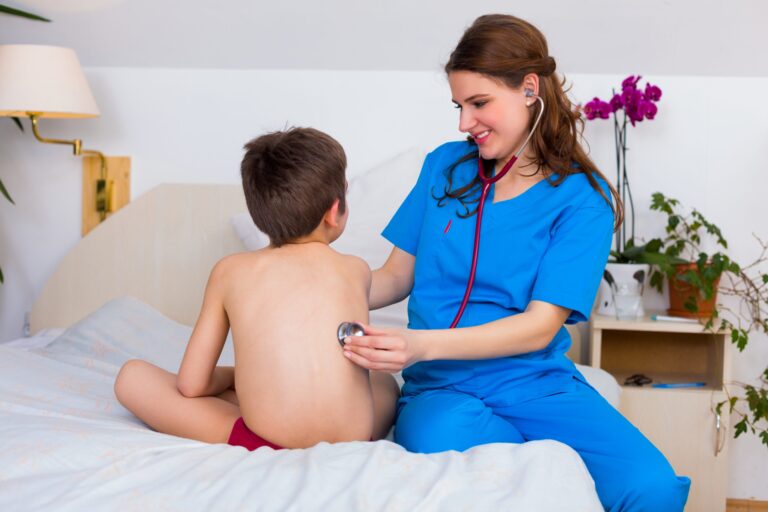
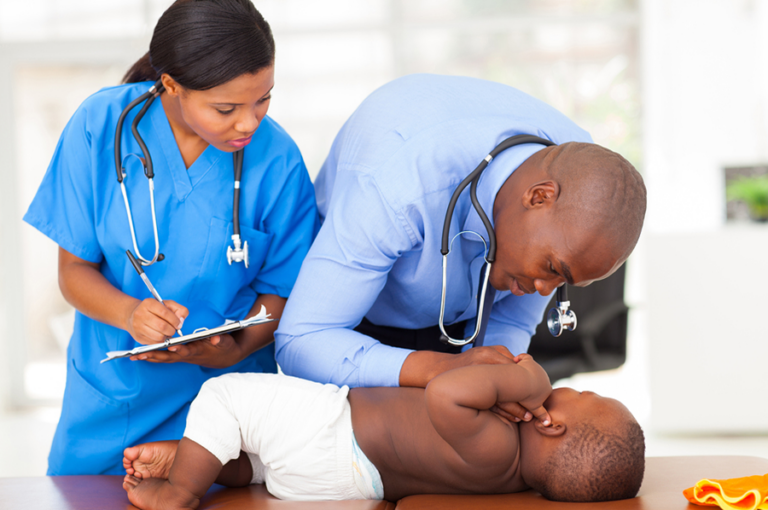
As a Paediatrician with  subspecialty training in Neuro-developmental Paediatrics, I basically take care of all children health issues especially those with physical and mental disabilities. This group of children are often referred to as Children with special needs.
This is a topic I am particularly passionate about especially in the part of the world where I practice with so much ignorance and superstitious beliefs about this wonderful group of children. This post is to provide you with the basic information you should know either as a parent or caregiver with special needs children
Even if you don’t have a child with special needs, you need this information as well to know how to relate better with children and families with special needs.


Who is a  child with Special Needs?

First every single child is special!
But what do we mean when we say “children with special needs”?
Merriam Webster dictionary defined “special needs” as mental, emotional, or physical problems in a child that require a special setting for education.

⦁ This means any child who might need extra help because of a medical, emotional, or learning problem.
⦁ these children have special needs because they might need medicine, therapy, or extra help in school — things that an average child won’t typically need or only need once awhile.
⦁ Basically, these are children with physical and developmental disabilities

Common medical conditions that predispose children to have special needs:-

  • Cerebral palsy
  • Down Syndrome
  • Autism spectrum disorder
  • Intellectual disability
  • Congenital syndromes
  • Hearing impairment “Deaf”
  • Visual impairment “Blind”
  • Learning Disability – Dyslexia, Dysgraphia,
  • Spina Bifida
  • Hydrocephalus
  • Attention Deficit Hyperactivity Disorder
  • Behaviour disorders – conduct disorders, oppositional defiant disorders.

These disabilities can be mild, moderate or severe. Children with disabilities do not constitute a uniform group, We have are children who are completely independent and at the other end of the spectrum are those who are completely dependent on others for every activity of daily living.

Why does my baby have special needs?

  • Disabilities can begin anytime during the developmental period and usually last throughout a person’s lifetime.
  • Most disabilities begin before a baby is born, although some happen after birth.
  • The causes of disabilities in children are often due to multiple factors some of which the affected families have no control over.
  • Sometimes we simply do not know why the condition happened!

Common Causes

The Causes of disabilities BEFORE birth include:

  • Genetic:– Children with Down Syndrome have an extra chromosome 21. There are many other congenital disabilities that have to do with problems at the level of the Chromosomes or genes, some of these may be inherited conditions; others are not.
  • Infections the mother might have during pregnancy affecting the baby in the womb – popularly called the TORCHES can lead to birth of babies who may later have disabilities such as Cerebral palsy, deafness, blindness.
  • Malformation of the brain, spinal cord and other vital organs causing hydrocephalus, spina bifida.
  • Parental health and behaviors (such as smoking and drinking) during pregnancy can cause Fetal alcohol syndrome.

Causes AFTER birth include;

  • Prematurity – babies born before 37 completed weeks of pregnancies
  • Complications during birth – failure to cry at birth (birth asphyxia), birth injuries (Erb’s palsy).
  • Severe Jaundice
  • Severe infections in the early newborn and infancy period especially involving the brain (meningitis)
  • Exposure of the mother or child to high levels of environmental toxins, such as lead.

What is this Autism?

Autism, or more clinically and accurately, Autism Spectrum Disorders (ASD) are disorders of brain development in children that manifest with difficulties in social communication and interaction; and presence of repetitive and restrictive behavior. Put more simply, children and adults with autism often have problems with talking and interacting with other people, while they behave in some peculiar ways.

Unfortunately, in Africa generally and Nigeria specifically, we have no local words to describe autism, as we discovered in the last Autism in Africa conference in Ghana in April 2014, with many specialists from over 10 African countries.

Many individuals with autism are often believed to be either deaf, mentally retarded or having spiritual attacks. This has led to many children and adults with autism not seeking or getting appropriate treatment early – interventions that would have helped them to improve.
Autism can affect both children and adults but it usually starts in childhood. In United States of America, 1 in 68 children have autism spectrum disorder. In Nigeria we do not know how many of our children have this condition but from experience we have so many as well just that some of them may not have been properly diagnosed.


What causes AUTISM?

There is no single cause of autism.We really do not how it occurs but believe to be as a result of interaction between certain inherited (genetic) factors and environmental factors.
How do we know that autism can be inherited?
• It is commoner among boys than girls – 4:1 ratio
• It is also common among twins – High concordance rate among monozygotic twins.(36 to 96%).
• The siblings of an affected autistic child have a 3 to 10% chance of having ASD.
• If two siblings have autism, the other siblings have a 30% chance of being autistic.
• About 17 genes implicated
• Advanced parental age- increased risk too.
• Children with certain already known inherited conditions also tend to have autism more commonly than other children without those diseases

How do we know environmental factors can cause autism?
This is because autism also seem to be more common among children with following environmental conditions:
• Babies who did not cry at birth
• Babies born with infections of the brain
• Babies exposed to toxic products like mother taking alcohol during pregnancy or drugs for epilepsy or lead poisoning
• Babies of mothers who have certain diseases like – Diabetes, obesity, hypertension or who used artificial methods to become pregnant.
It is not automatic that if a child has these genetic or environmental risk factors, they will have autism…..just that the risk of autism is higher in them. Many children with autism have no risk factors at all!!!
Please note that immunizations either with MMR or any other vaccines are NOT risk factors for autism


What are the Signs and symptoms of Autism?

The signs and symptoms of autism are so many. It is the presence of many of these symptoms that specialists use in making the confirmed diagnosis of autism not just only one symptom. The presence of one sign or symptom alone does not automatically mean a child is autistic.

A child with autism may:

• Not point at objects to show interest (for example, s/he may not point at an airplane flying overhead)
• Not look at objects when another person points at them
• Have trouble relating to others or not have an interest in other people at all
• Avoid eye contact and want to be alone
• Have trouble understanding other people’s feelings or talking about their own feelings
• Prefer not to be held or cuddled, or might cuddle only when s/he wants to
• Appear to be unaware when people talk to them, but respond to other sounds
• Be very interested in people, but does not know how to talk, play, or relate to them
• Repeat or echo words or phrases said to him/her, or repeat words or phrases in place of normal language
• Have trouble expressing his/her needs, using typical words or motions
• Not play ‘pretend’ games (such as feeding a doll)
• Engage in actions repeatedly
• Have trouble adapting when a routine changes
• Have unusual reactions to the way things smell, taste, look, feel, or sound
• Lose skills s/he once had (for example, stop saying words s/he used to say)
• Repeat certain behaviour and might not want change in his/her daily activities.

How do we confirm if truly a child has autism?

• It usually starts with parents and/or teachers concerns with speech delay or some of these abnormal behaviour usually from age 18 months to 2 years.
• Due to the fact that outcome is better with early diagnosis and intervention around age 2 years; it is now compulsory to screen all children in US for autism at the age of 2 years.
• This screening involved the use of a screening tool called Modified Checklist for Autism in Toddlers (MCHAT). It is free and you can even do it online yourself if you are worried about any child. Parents answer 23 questions and based on the answers, it will say if the child is at risk for autism or not.
• MCHAT is just a screening test so the child still have to be seen by a Developmental Paediatrician or Child Neurologist to confirm the diagnosis. This is done through the process of Developmental Assessment.
• After the developmental assessment is performed, the diagnosis of autism can be confirmed by the specialists.
ASD are a group of disorders and a spectrum which means the severity varies – ranging from mild to severe. Therefore, one child with autism may be different from another child also with autism depending on how severe the autism is and the presence of other diseases that can occur along with autism. For example some children may intellectual disability whereas others have none and some may even be exceptionally intelligent.

What is the treatment for autism?

Currently, there is no definite cure for ASD, but it can be managed, especially if diagnosed early in childhood, with appropriate therapies.
We cannot cure autism but it can be managed or treated.
The Developmental Paediatrician or other specialists such as the child neurologists, child psychologists and psychiatrists see children with suspected ASD and make a diagnosis. Other professionals involved in the management of autism are speech therapists, occupational therapists, behaviour therapists, special educators and social workers.
After the diagnosis is confirmed, the child is placed on therapies such as speech, occupational and behaviour therapies. Usually, the approach is multi-disciplinary.
There are evidence-based therapies for the treatment of autism, these are the ones recommended by Developmental Paediatricians. They include behaviour therapies, speech therapies, occupational therapies, sensory integration techniques, social skills instruction and special education.
There are treatments which we call Alternative therapies or Complementary therapies which do not have proof that they work based on researches; just individuals experience. Some of them are harmless but some are extremely dangerous; so be aware of them.
Harmless ones include the nutritional therapies, music therapies, supplements with vitamins. Dangerous ones include the heavy metal chelation. My own personal opinion is that parents can try the harmless ones just that they also know that they may not work. I however stress avoidance of the dangerous ones

What will eventually happen to children with autism?

This is the part that worries many parents. They have many questions for their Paediatricians!!!
Will my child ever talk?
Will he be able to go to school?
Will my child live a normal life?
Will she marry? have children?
Children with autism can achieve their maximum potentials in life and live to be all they want to be if they are commenced on therapies on time.
Depending on the severity, some children can attend ‘normal’ (mainstream) schools if their symptoms are mild, while children with severe conditions may need special schools with therapists and special education teachers.
Though autism is a life-long disorder, some individuals with therapies can actually ‘loose’ their diagnosis. In other words, they no longer fulfill the criteria for autism diagnosis. With proper diagnosis and appropriate therapies instituted early, more people with autism can live independent and satisfying lives.
We have had many famous people including genius scientists like Albert Einstein, Isaac Newton who were also on the autism spectrum. Even in recent times, there are distinguished professors, actresses, artists who have risen above the autism diagnosis to be all they want to be.
In conclusion, the key points are EARLY DIAGNOSIS, EARLY INTERVENTION so the children can attain their maximum potential!! BE AUTISM AWARE!!!