
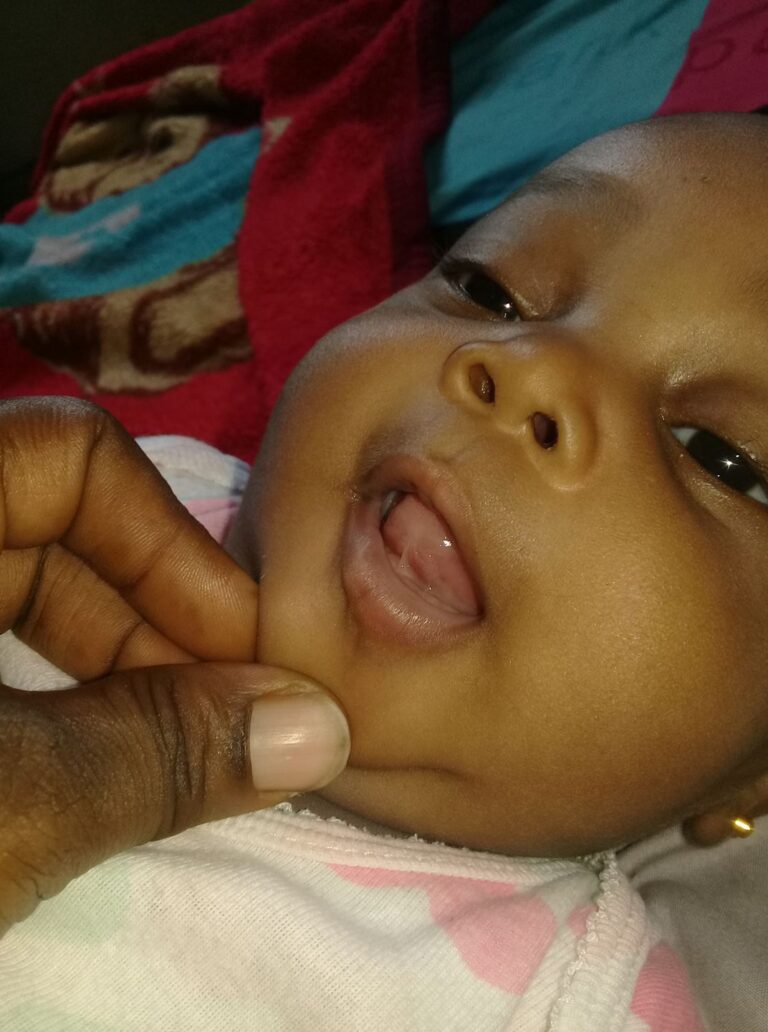
INFECTIONS IN THE NEWBORNS (2)

In the first part of this article on newborn infections, we address the common risk factors for infections in newborns. If you have not read it, you can do so here!

This is the concluding part we will look at how to know when a newborn has infections, what to do and how to prevent newborn infections.

How do you know if a newborn baby has infections?

Newborns when sick with infections often may not have any specific signs that most parents are used too when the older children have infections. Sometimes, the baby may just appear dull or not as active as before. Other times, they may actually show other signs of infections like:

  •  Fever
  • Refusing to suck
  • Crying excessively or inconsolably even when given breast
  • Eye discharge
  • Smelly or discharge from umbilical cord
  • Weak or limp baby
  • Boils or tiny swellings containing water or or pus on skin
  • Jerking /shaking body( hands , legs etc)

If you think your newborn has infections or is showing any of the above signs, that is not the time to wear your “Home Doctor” hat!!!

Newborns are so fragile and illness in them can progress so fast and can lead to unwanted consequences we already mentioned.

A sick newborn can only be treated by the doctor, preferably a Paediatrician at the Hospital!!

If you observed any of these signs, please go to the hospital without delay!!!

ANY BABY WITH ANY SIGN OF INFECTION LISTED ABOVE SHOULD BE TAKEN TO HOSPITAL IMMEDIATELY!!! (We can not emphasize this enough).

Delay in seeking help promptly can lead to fatal consequence!

Prevention of newborn infections
As we can see, once infections occur in the newborn baby, it is beyond your control as parents. At that point, it is the Paediatricians and God that are in charge.

However, there is a lot we can do to avoid or prevent newborn infections. Prevention as we are often fond of saying is always better, cheaper, less painful than in the newborn.

Prevention of newborn infections can be achieved substantially by observing the following

  • Good antenatal care – register early and standard centres/hospitals
  • Early/ proper treatment of urinary tract infection or any infection in mother
  • Delivery in a proper setting: good clean environment
  • Delivery by qualified or trained healthcare professionals
  • Any woman who ruptures membrane ie breaks her water must go to the hospital – Ideally, she should be started on antibiotic if the delivery is taking longer than expected
  • Use of sterile (clean) equipment to cut the umbilical cord.
  • Do not apply any of the materials mentioned earlier on the umbilical cord. Accepted treatment for cord care is CHLORHEXIDINE GEL! Apply it once daily for seven days or till the cord has dropped and healed. Where this not available good quality methylated spirit to clean every 2hour
  • Do not give Ampiclox syrup or drops to your baby after delivery.
  • Avoid the “ajogba” mentality! A baby who has infection will not respond to Ampiclox!!! It cannot treat it and this will delay the commencement of the right and appropriate treatment. This can lead to fatal consequence! If you deliver in a clean environment, with none of the risk factors for infection mentioned earlier, you do not need to give the newborn Ampiclox. We know this is a very rampant practice especially in Nigeria but it is wrong. It only gives mothers a false sense of protection and may mask the signs of newborn infections when it actually occur; which may lead to late presentation and treatment with attendant danger of newborn death.

In conclusion, infections in the newborn can cause unnecessary deaths if not treated promptly. The good news is that most can be prevented by adopting simple strategies we already discussed.

Should infections still occur despite all efforts, please do not do home treatment, go to the hospital immediately as DELAY IS VERY, VERY DANGEROUS!

Thank you for reading. Keep being informed to keep our children healthy. I look forward to your questions and comments.